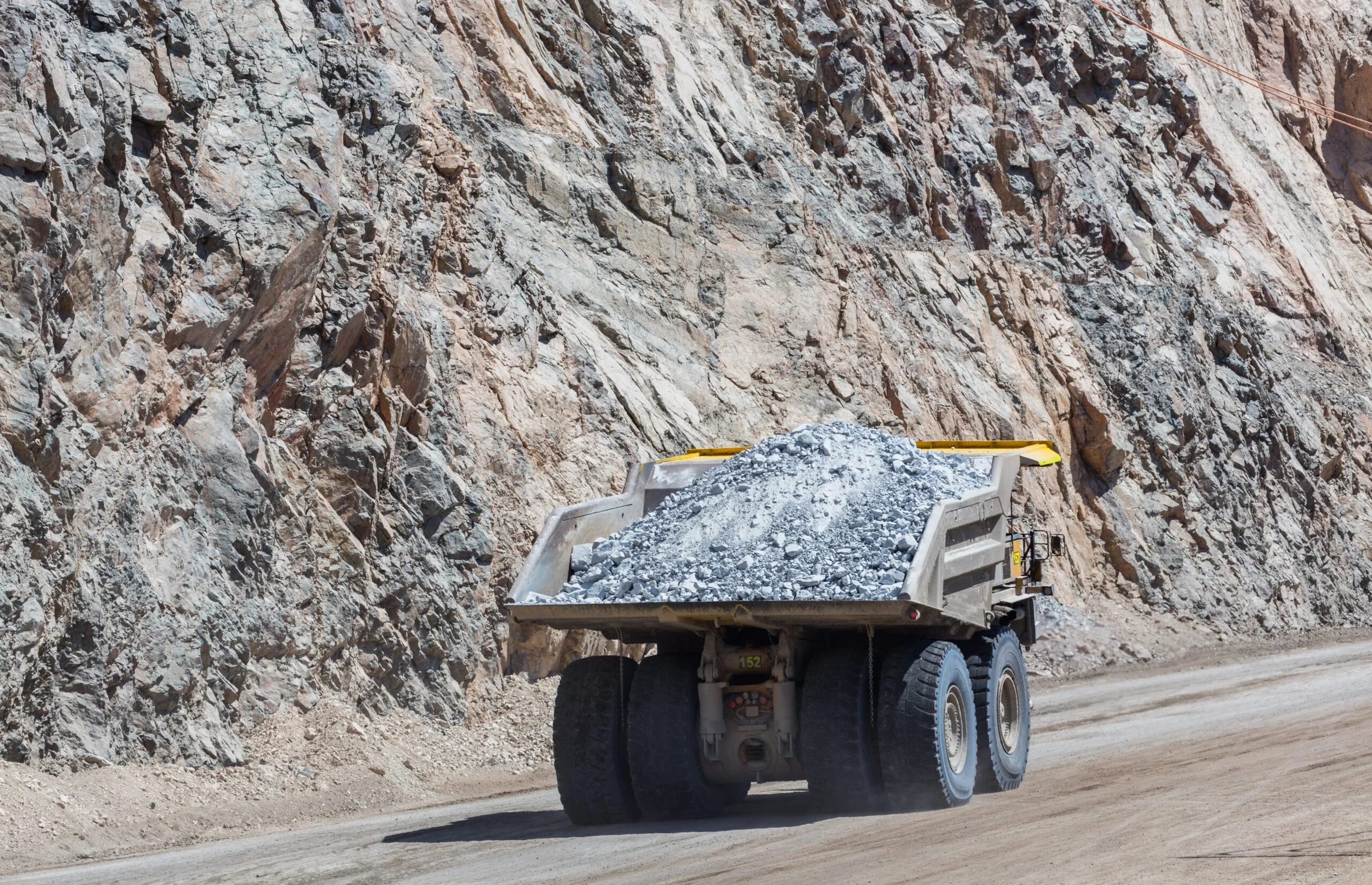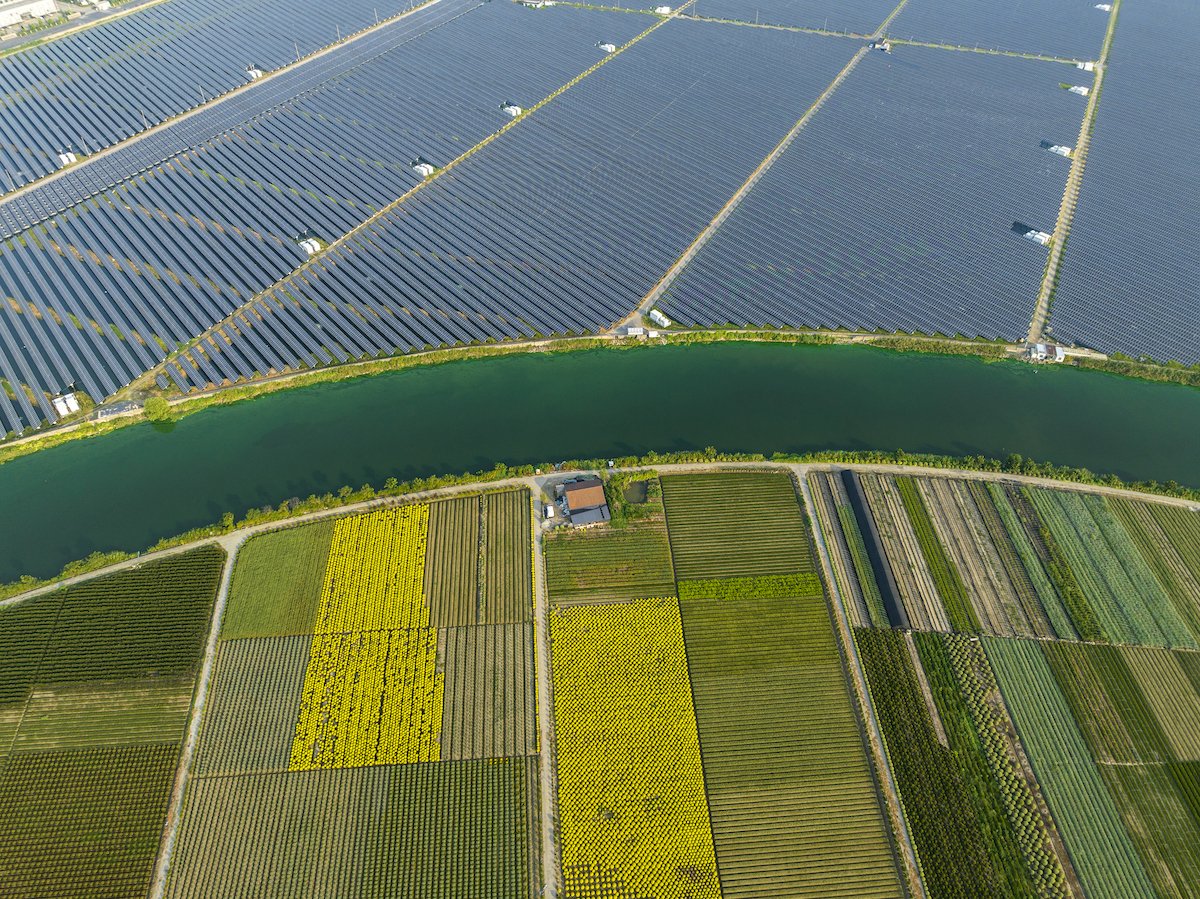
Clara Giendl. Climate change is a global existential issue, threatening economies and livelihoods, while billions of people worldwide still cannot meet their material needs…
Read MoreClara Giendl. Climate change is a global existential issue, threatening economies and livelihoods, while billions of people worldwide still cannot meet their material needs…
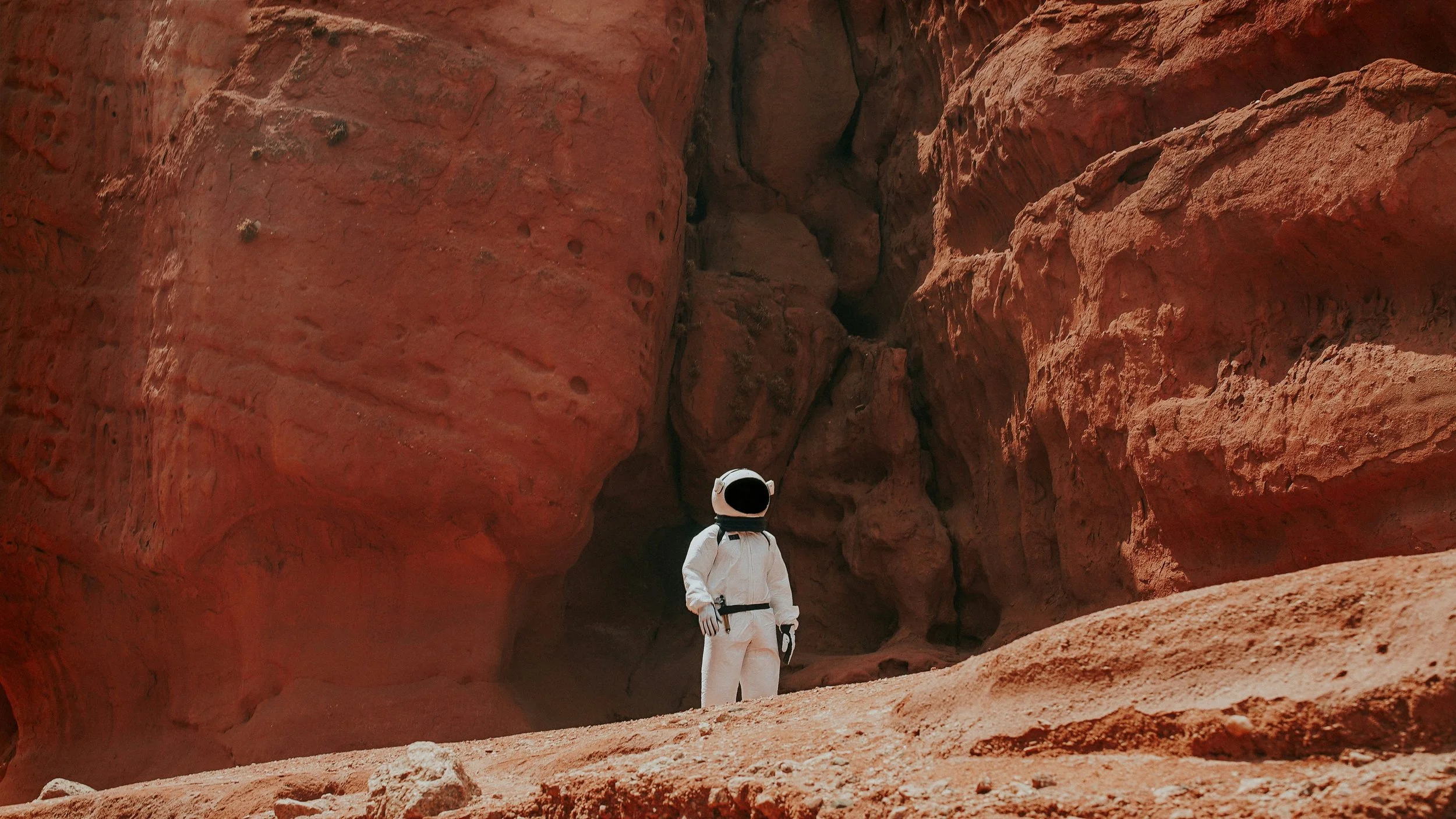
Read MoreKiara Tay. It is the Year 2099. The first human civilisation has been established on Mars. It is a joyous occasion, one deserving of the most elaborate celebration…
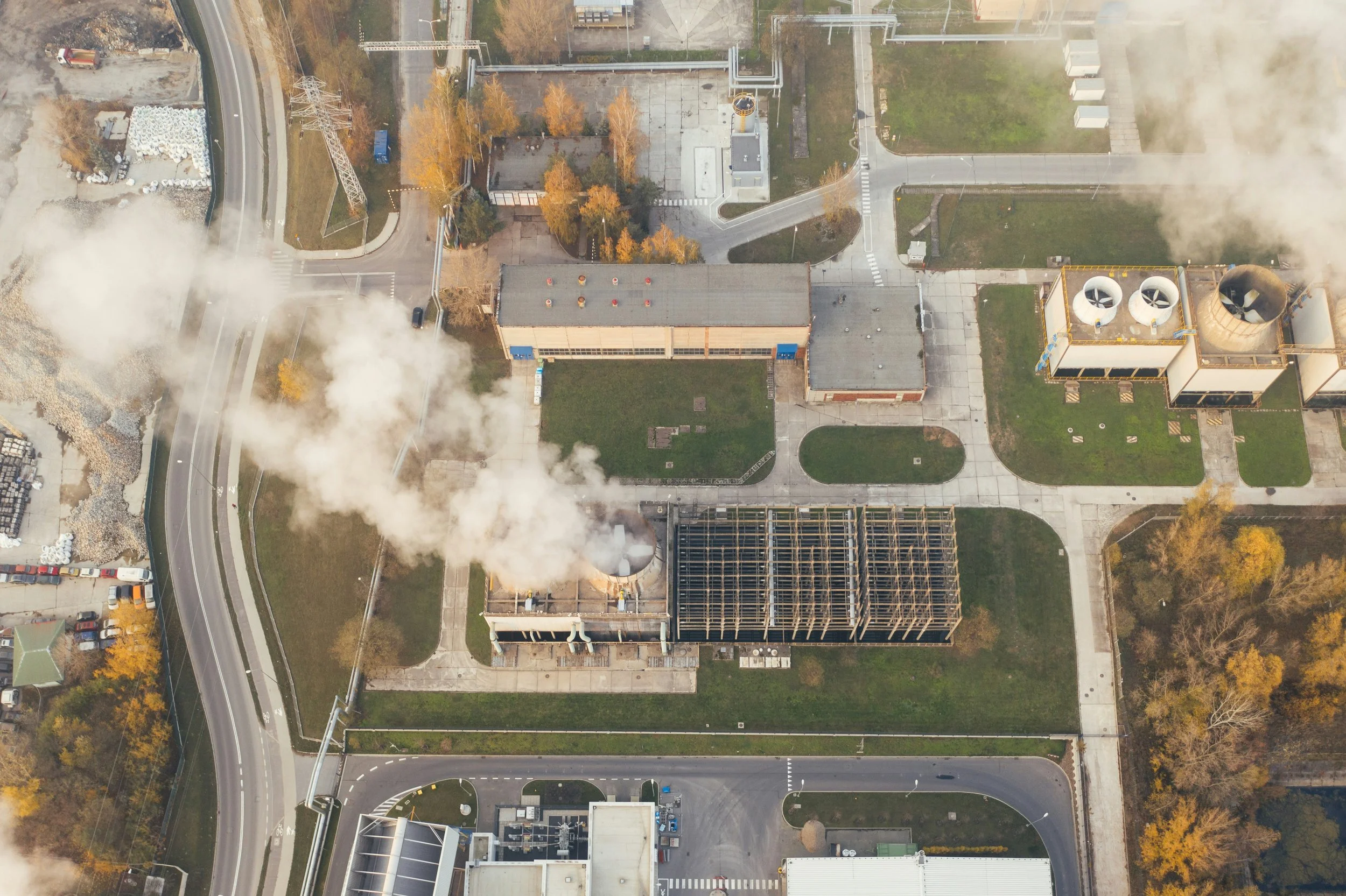
Read MoreAylin Ismayilova. Futuristic eco-cities have been widely regarded as the leading urban model for the future. These cities are as much urban areas as they are projects that integrate technological innovation…
Read MoreFrancesca Edralin. For decades, biodiversity has been the dominant framework through which environmental protection is understood. International agreements, national policies, and conservation projects are most often designed around…
Read MoreRozalie Benova. It was the day before yesterday that Adriana first spoke to the trees. The trees were everywhere and, up until that point, had been everywhere. Century-old oaks, sweet chestnuts, and fragrant lindens…
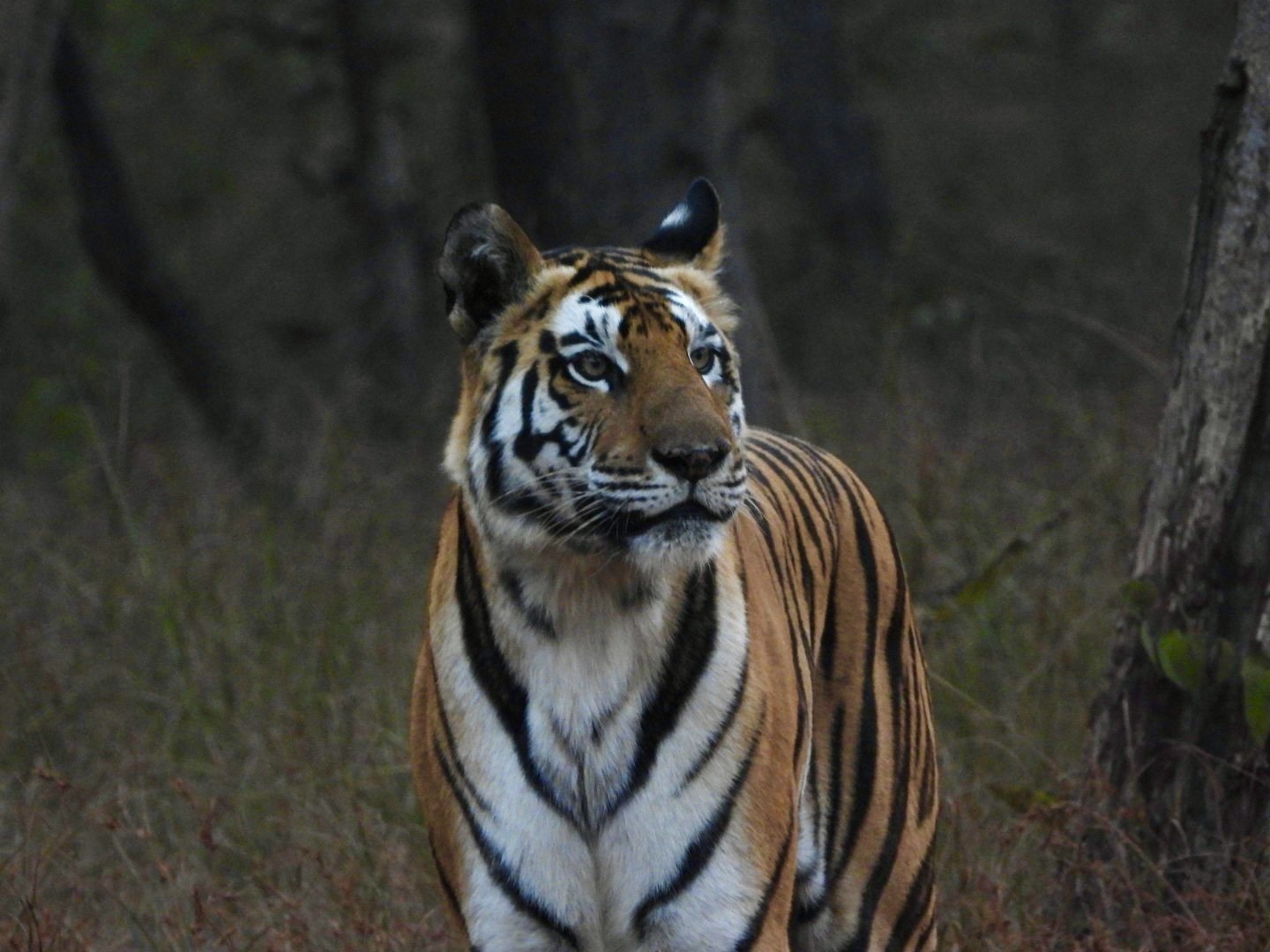
Read MoreAabir Das. A single sambar deer sniffed the air in Ranthambore National Park. Ears raised. Eyes watching. Total silence. Up in the trees, a langur monkey opened one eye…
Read MoreZilu Bhatt. It was in May 2025 that I first encountered work by the Women’s History Museum (WHM) in New York. My friend, a current textile student at Parson’s who graciously hosted me for my first visit to the city…
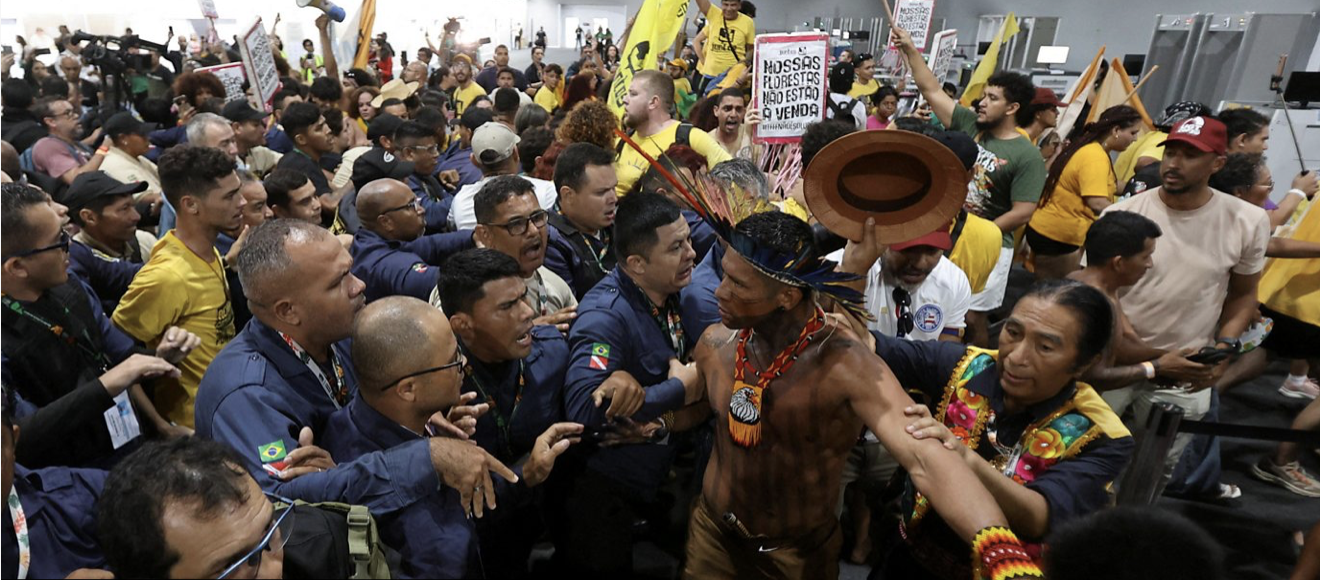
Read MoreMatilde Palanque. Each year, world leaders and climate stakeholders gather under the banner of the United Nations Climate Change Conferences, the COPs, promising collective action to confront the climate crisis. However, behind the speeches, the pledges and the polished pavilions lies a critical question: is there a space for allstakeholders? And by that, I particularly refer to those adopting more confronting stances: climate activists…
Read MoreRozalie Benova. Traversing from one landscape to another has been constitutive of fundamental human undertakings for a considerable time; the earliest humans moved in pursuit of food, and, with time, a rising population, animal migration, and the seasonal nature of many food sources demanded that people be mobile. These routes and trajectories, however, were founded on a survivalist logic…
Read MoreMax Cocard. The EU and its Member States are in the midst of profound ecological change, affecting nature, humans and the economy alike. Agriculture as a sector represents a non-negligible share of the Union’s emissions (12%), which explains recent efforts to incorporate environmental objectives within the Common Agricultural Policy (CAP)…
Read MoreHolly Booker. Today, 95% of the world’s direct transportation emissions still come from burning primarily petroleum-based fossil fuels, such as gasoline and diesel (United Nations, 2021a). The Intergovernmental Panel on Climate Change (IPCC) asserts that, as the fourth largest contributor to emissions worldwide, direct emissions from transportation currently contribute to around 23% of global energy-related greenhouse gas (GHG) emissions (IPCCC, 2022)…
Read MoreDaniel Knott. With their Omnibus, the European Commission & the European Parliament claim to “simplify” the EU’s reporting requirements on sustainability without watering them down. The reality, however, is that the agreed changes far exceed a mere simplification and instead represent a thorough dismantling of European sustainability rules.
Read MoreIngrid Oo. As of 2025, approximately 60% of all Forbes 2000 companies have net-zero pledges, with the majority planning to purchase carbon credits to meet these pledges. Consequently, the voluntary carbon market was estimated at USD 4.04 billion as of 2024 and is only expected to grow in coming years. Corporate interest in purchasing carbon credits on the voluntary market has fuelled both praise and criticism…
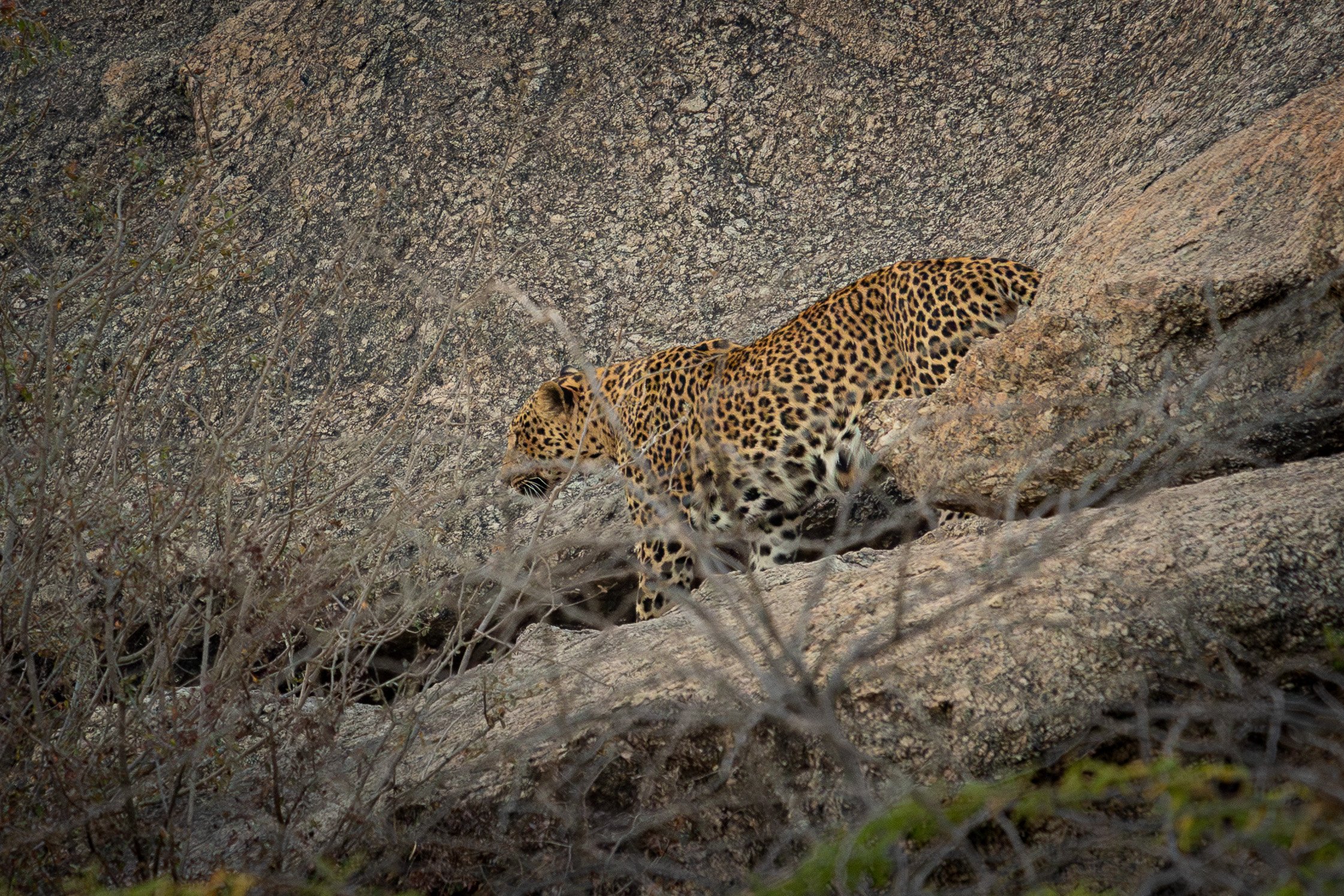
Read MoreSiddhant Rastogi. Photographed is Jivda (जिवदा), a female leopard, and two of her three cubs amid Jawai’s granite hills. Located in western Rajasthan, Jawai is a rugged, semi-arid landscape home to scrub forest, and sparse human settlement. Often introduced as ‘the land of leopards’, the region is renowned for India’s densest free-ranging leopard populations…
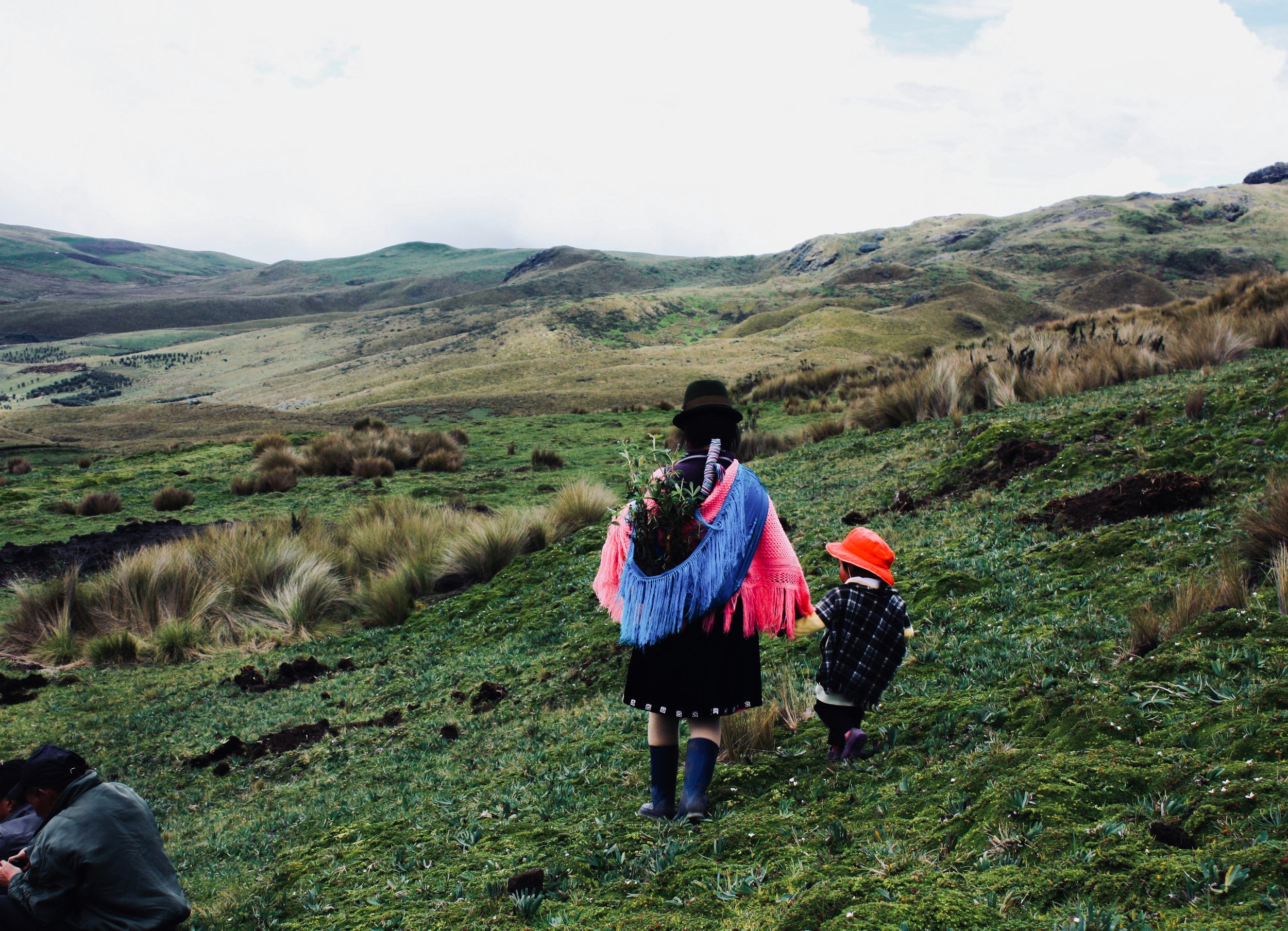
Read MoreAylin Ismayilova. Between 1972 and 1993, the US oil company Texaco released over 30 billion gallons of toxic waste and crude oil into the Amazon rainforest in north-eastern Ecuador, producing severe environmental, health, and social consequences for the native community. The legal struggle documented in "Crude" (2009) foregrounds not only environmental devastation but also the ethical and political narratives…
Read MoreZilu Bhatt. Jasleen Kaur’s solo exhibition ‘Boomerang’ at Hollybush Gardens demands us to think beyond the constraints of the absolute, beyond binaries. Sounds of 'Major/minor composition' play alongside two short films: one depicting a child playing a piano with their feet, and another filming a bed of daisies. The clicking switches of a lamp turning on and off in the largest room mimic the arrangements of Kaur's work, as if punctuating the…
Read MoreSylvain Chan. The lights are low, the music is blaring. Dancing past puddles of sticky vodka, you order a mojito at the bar. The bartender rolls his eyes and begins muddling mint in the shaker, tossing aside leaves frayed by caterpillars and browned by the sun. Then comes the alcohol and lime juice, its husk carelessly chucked out back. With ice, he shakes, strains, sprays soda water, and wedges fresh lime slices along the glass’ rim, nevermind its bruised counterparts sitting idly in the well…
Read MoreWhen we visit the Scientist Rebellion homepage, we are immediately confronted with a provocative challenge: “Scientists have spent decades writing papers, advising governments, briefing the press: all have failed. What is the point in documenting in ever greater detail the catastrophe we face, if we are not willing to do anything about it?” This statement reflects a Western-centric view…
Read MoreAcross Latin America, Indigenous communities are standing up to the extractive industries like mining, oil, and hydroelectric projects that threaten their lands and our collective future. They face some of the violent conditions for activists anywhere in the world. Still, they resist. Why? Because they understand something many of us are only starting to grasp. Protecting their territories is also protecting the planet…
Read MoreWorld renowned conservationist Sir David Attenborough cites overpopulation as a major environmental problem, arguing population growth must “come to an end”. Countless questions arise from this statement: Howwill this population growth come…
Read More