In Search of the Tiger
Aabir Das, BA International HIstory
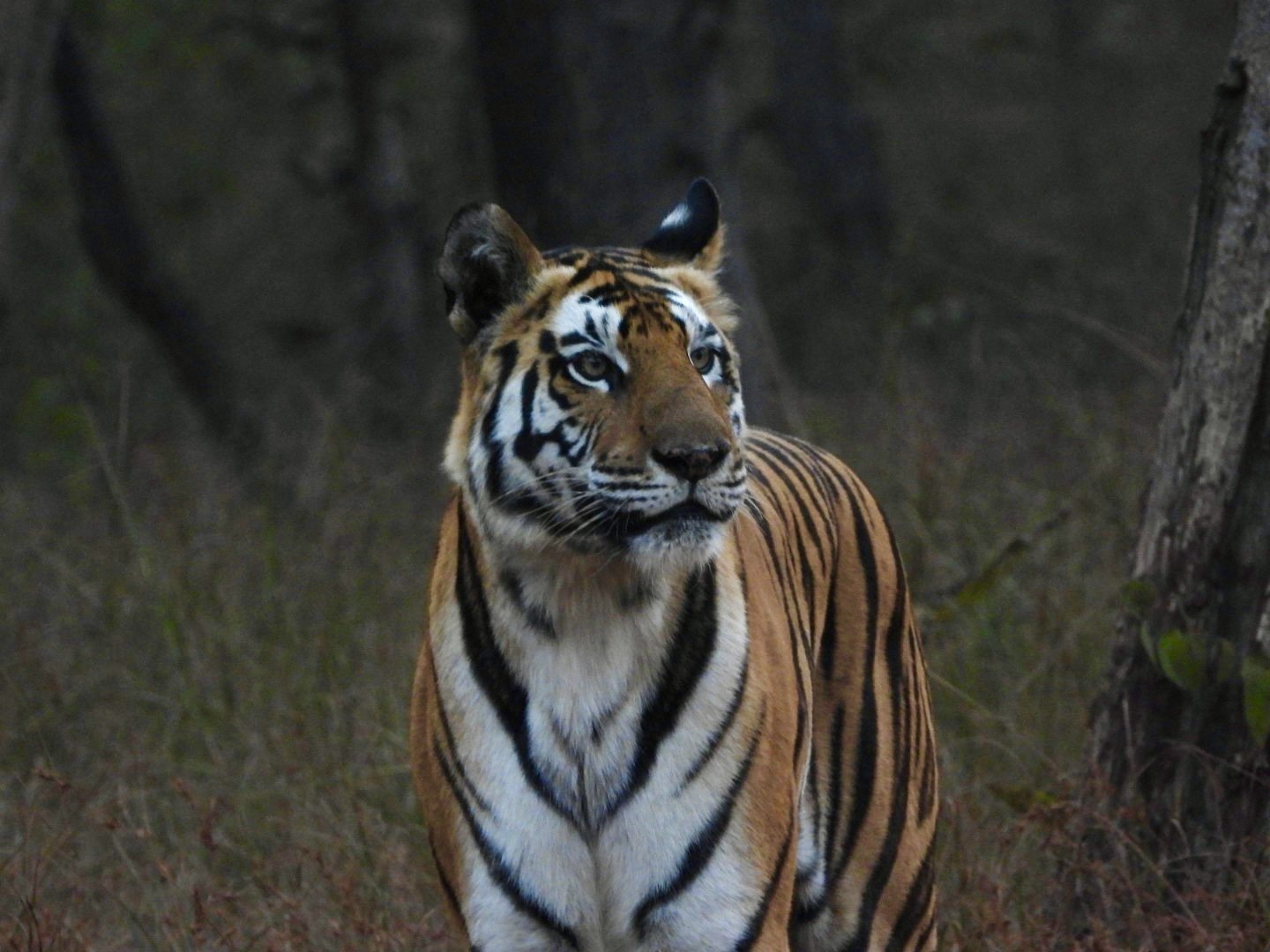
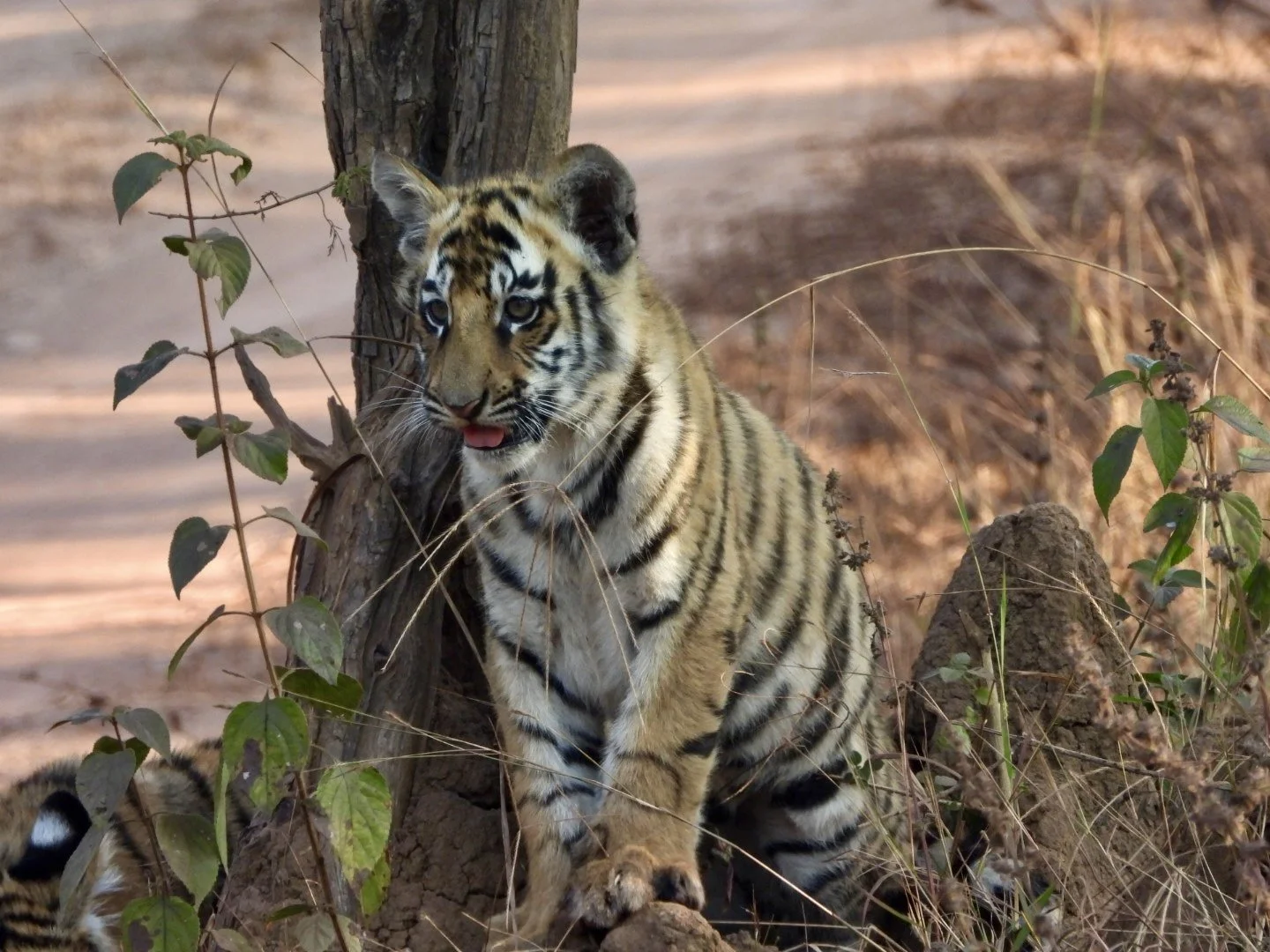
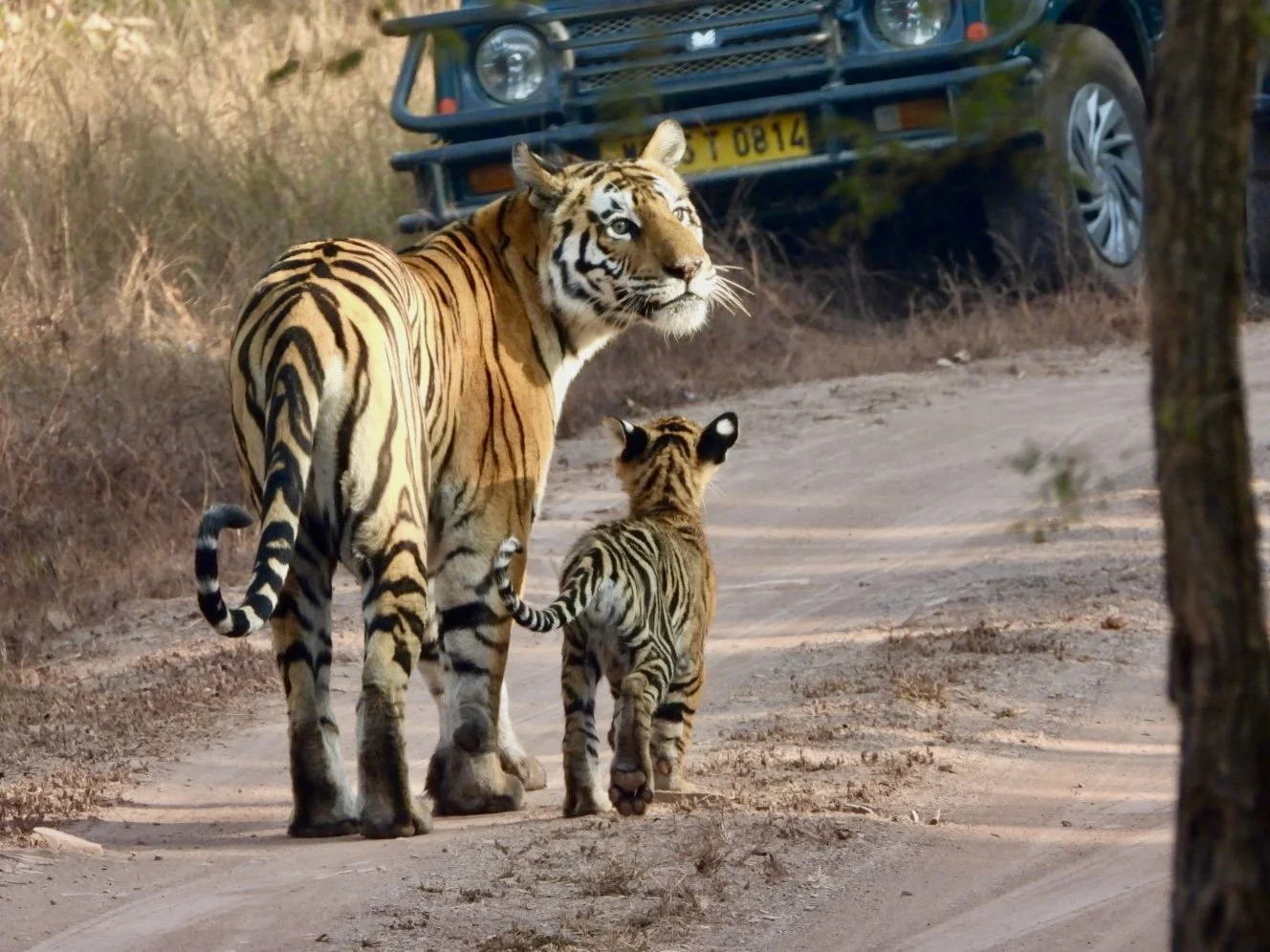
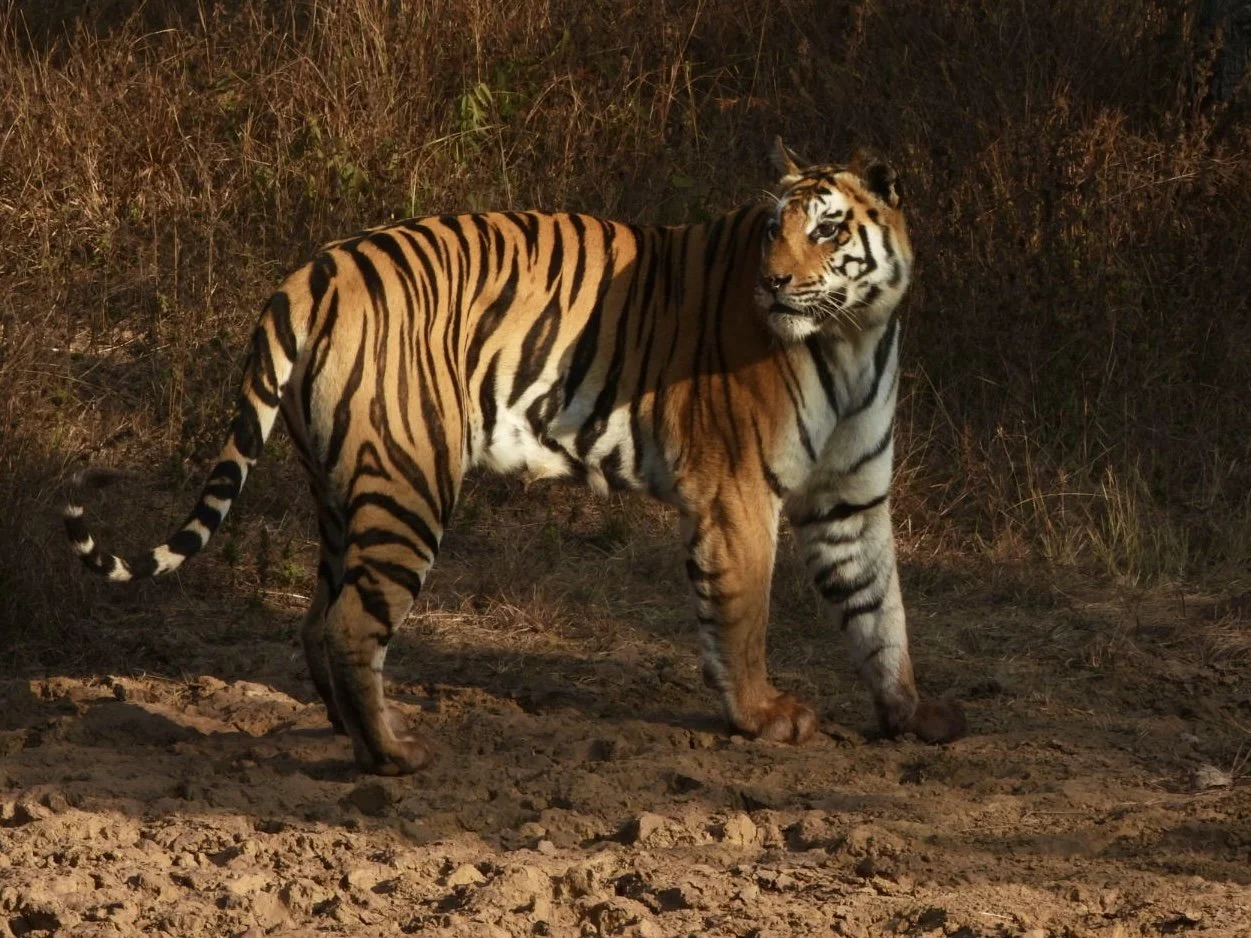
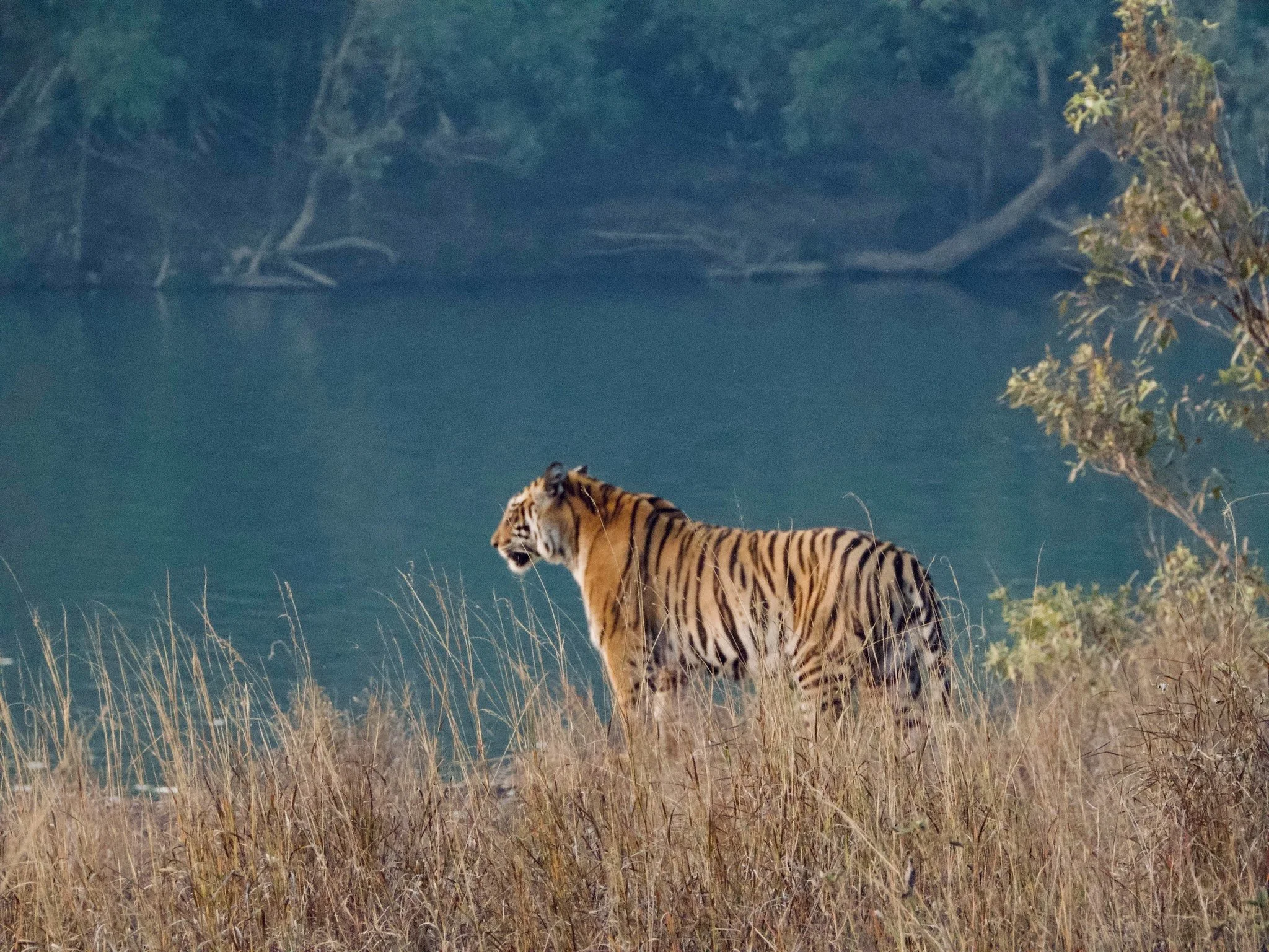
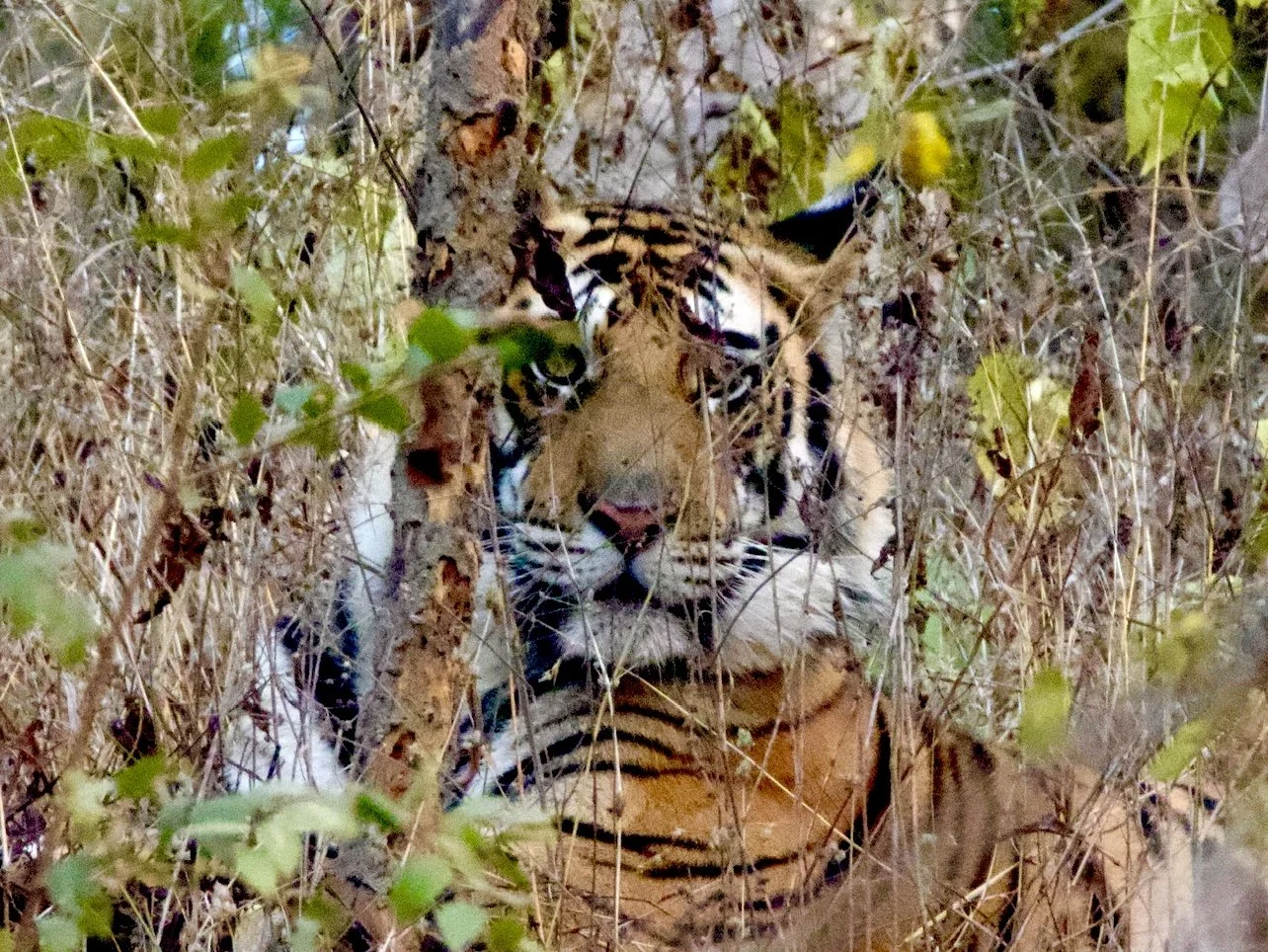
Image: Aabir Das
A single sambar deer sniffed the air in Ranthambore National Park. Ears raised. Eyes watching. Total silence. Up in the trees, a langur monkey opened one eye. Then – a shrill call pierces through the forest. Wings fluttered as birds took flight. A herd of deer scattered, darting between the trees. An alarm call. Something was coming.
The rush of adrenaline. The chase. Hours of endless circling, reading pug marks in the dirt and listening intently to the sounds of the forest had finally led to this moment. That’s a safari for you. Deep inside Pench National Park in central India, I was immersed, quite literally, in the wild. Four days. Eight safaris. Thirty seven hours in the back of a jeep endlessly scanning the tree line. All for that one moment. That one moment when a Royal Bengal Tiger stepped out from the undergrowth into a shaft of morning light, its gold coat glittering. I held my breath. My first tiger in the wild. One of the most extraordinary experiences of my life.
One minute too late and it wouldn’t have happened at all.
India’s tiger story is, at its core, a story of remarkable redemption. At the turn of the 20th century, an estimated 40,000 tigers roamed the Indian subcontinent. A century of Maharaja trophy hunts, shooting for sport and relentless, unregulated poaching reduced that number to fewer than 1,500 by 2006. Today, India is home to a population of approximately 3,600 tigers: more than double what it was just less than two decades ago. Not only does this now account for almost 75% of the world’s entire tiger population, but it is also one of the most significant wildlife recoveries on Earth.
It all began with a single, determined act of political will. On 1 April 1973, former Indian Prime Minister Indira Gandhi launched Project Tiger, a landmark conservation program that set aside nine initial national parks as dedicated tiger reserves. This number has reached 58 protected areas spanning 18 states in March 2025, covering 138,000 square kilometers of tiger habitat. Each reserve operates using a core-buffer model with a strictly protected inner core zone for breeding populations, surrounded by a buffer zone where wildlife and local communities coexist.
The annual population growth rate currently sits at 6.1%. Corbett Tiger Reserve has the highest number of tigers in any single reserve, with around 260. Meanwhile, Madhya Pradesh is home to roughly 785 tigers across four national parks. Often referred to as the “Tiger State,” Madhya Pradesh’s tiger population exceeds that of the entire wild population in Russia.
This recovery was enabled by a wide variety of ingenious conservation tools. Camera trap networks installed nationwide allow scientists to identify individual tigers by their unique stripe patterns and track populations through tiger censuses. Green corridors have begun to link fragmented reserves, allowing tigers to disperse. Meanwhile, tiger reintroduction programs, such as in Panna National Park, have repopulated dwindling populations from other nearby parks.
An apex predator is not simply an animal, but a vital component for an ecosystem. At the top of the food chain, the tiger regulates the populations of prey below it. Without the tiger, populations of deer explode, overgrazing the forest floors and destabilizing the entire ecosystem. The program to save the tiger is a far larger, more important process in protecting India’s natural forests.
Back in Ranthambore, the forest fell silent again after my tiger slipped back into the trees. I exhaled slowly, my body awash with excitement. Around us, the sambar resumed grazing and the langurs settled back into their branches. The alarm calls faded. The jungle reassembled itself, as if nothing had ever happened.
But it had. And the fact that it can still happen – that a wild tiger can still walk out of an Indian forest in 2025 – is a testament to fifty years of conservation work, political courage and human determination.