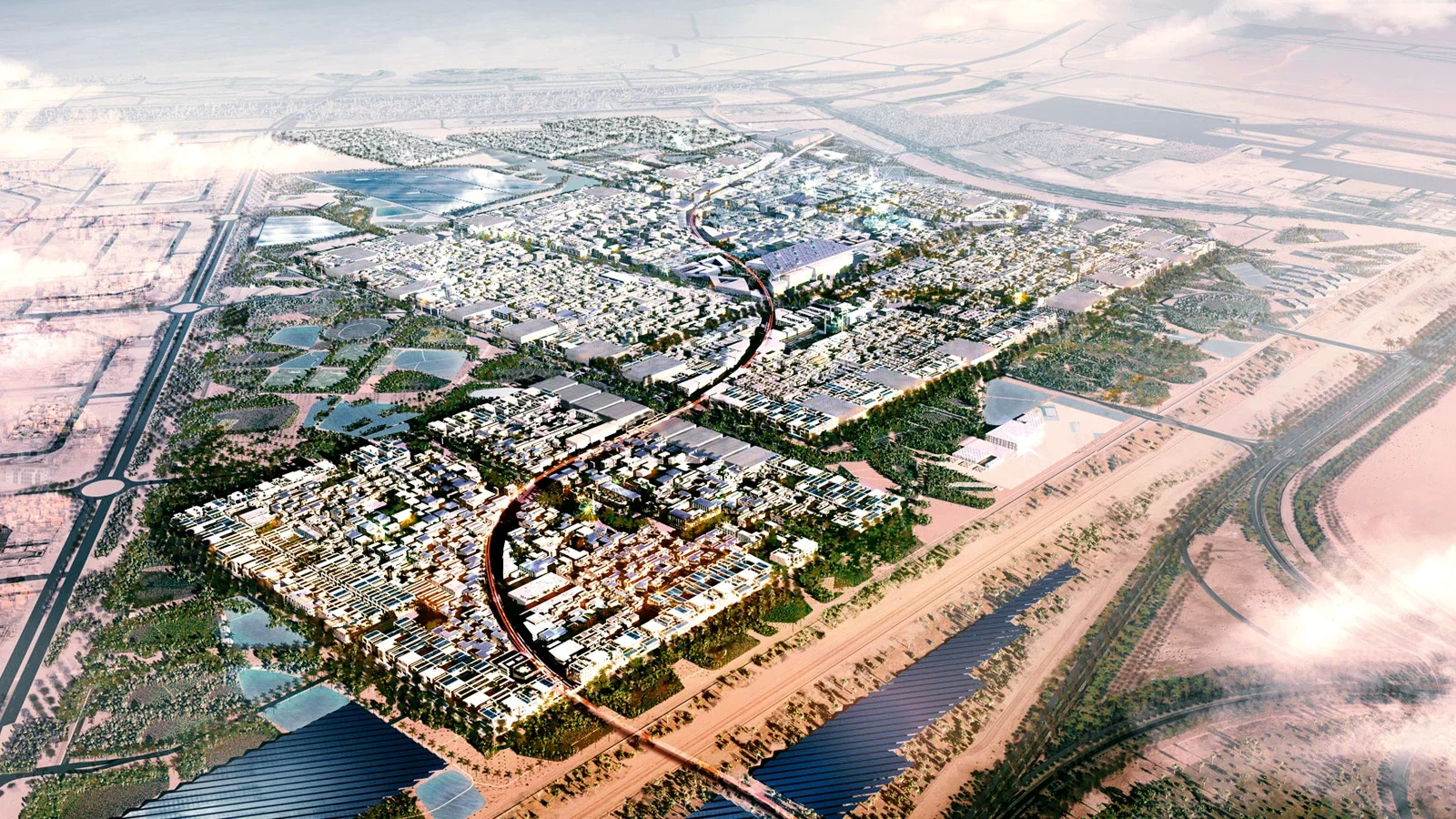
Aylin Ismayilova. Futuristic eco-cities have been widely regarded as the leading urban model for the future. These cities are as much urban areas as they are projects that integrate technological innovation…
Read MoreAylin Ismayilova. Futuristic eco-cities have been widely regarded as the leading urban model for the future. These cities are as much urban areas as they are projects that integrate technological innovation…
Read MoreFrancesca Edralin. For decades, biodiversity has been the dominant framework through which environmental protection is understood. International agreements, national policies, and conservation projects are most often designed around…
Read MoreZilu Bhatt. It was in May 2025 that I first encountered work by the Women’s History Museum (WHM) in New York. My friend, a current textile student at Parson’s who graciously hosted me for my first visit to the city…
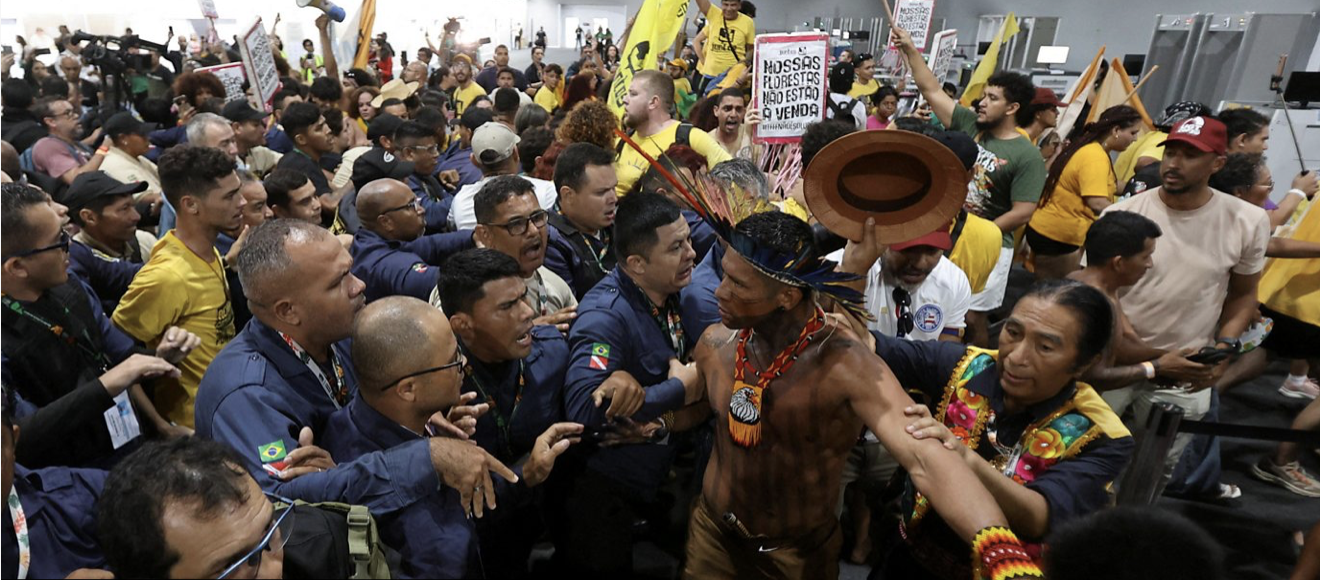
Read MoreMatilde Palanque. Each year, world leaders and climate stakeholders gather under the banner of the United Nations Climate Change Conferences, the COPs, promising collective action to confront the climate crisis. However, behind the speeches, the pledges and the polished pavilions lies a critical question: is there a space for allstakeholders? And by that, I particularly refer to those adopting more confronting stances: climate activists…
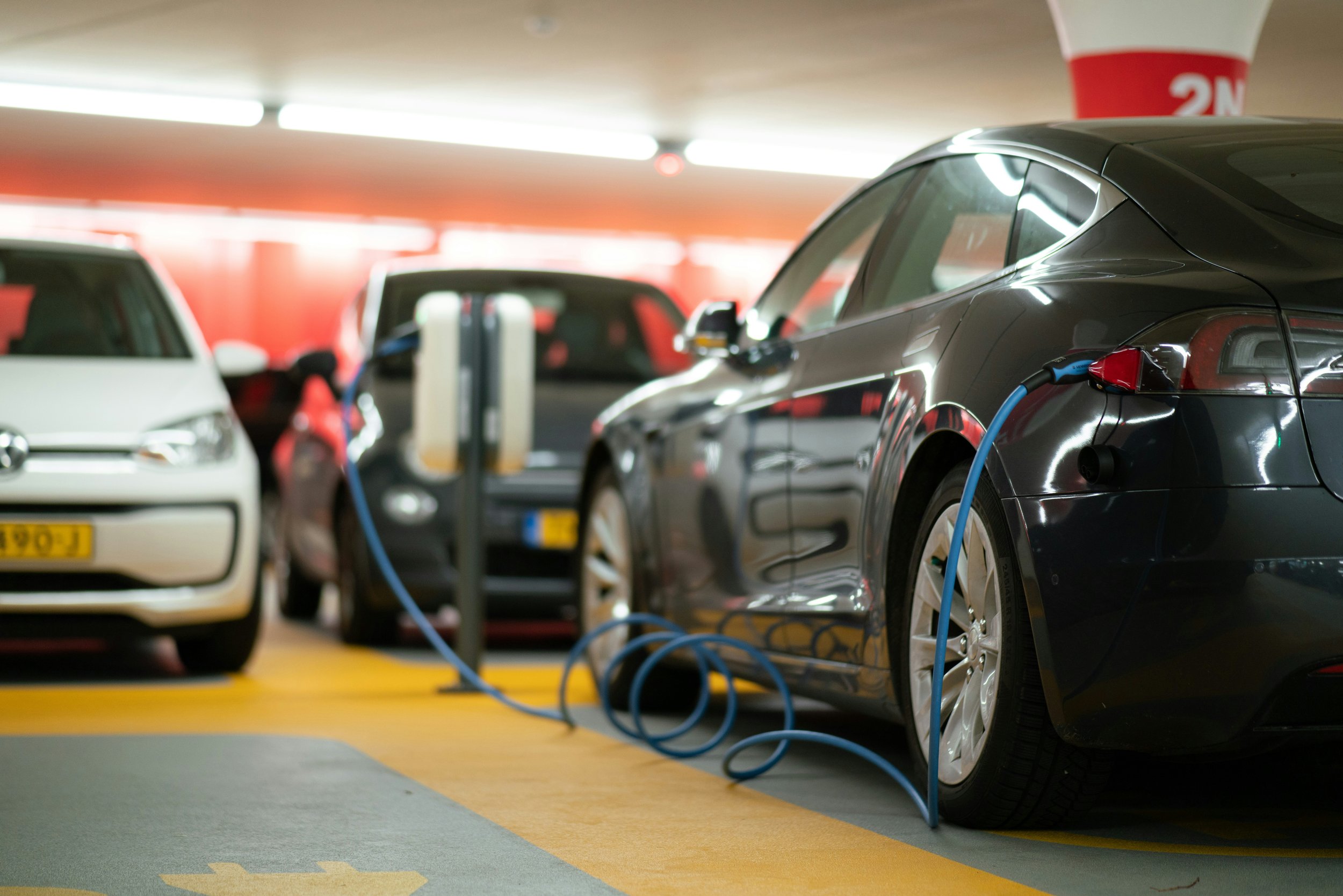
Read MoreHolly Booker. Today, 95% of the world’s direct transportation emissions still come from burning primarily petroleum-based fossil fuels, such as gasoline and diesel (United Nations, 2021a). The Intergovernmental Panel on Climate Change (IPCC) asserts that, as the fourth largest contributor to emissions worldwide, direct emissions from transportation currently contribute to around 23% of global energy-related greenhouse gas (GHG) emissions (IPCCC, 2022)…
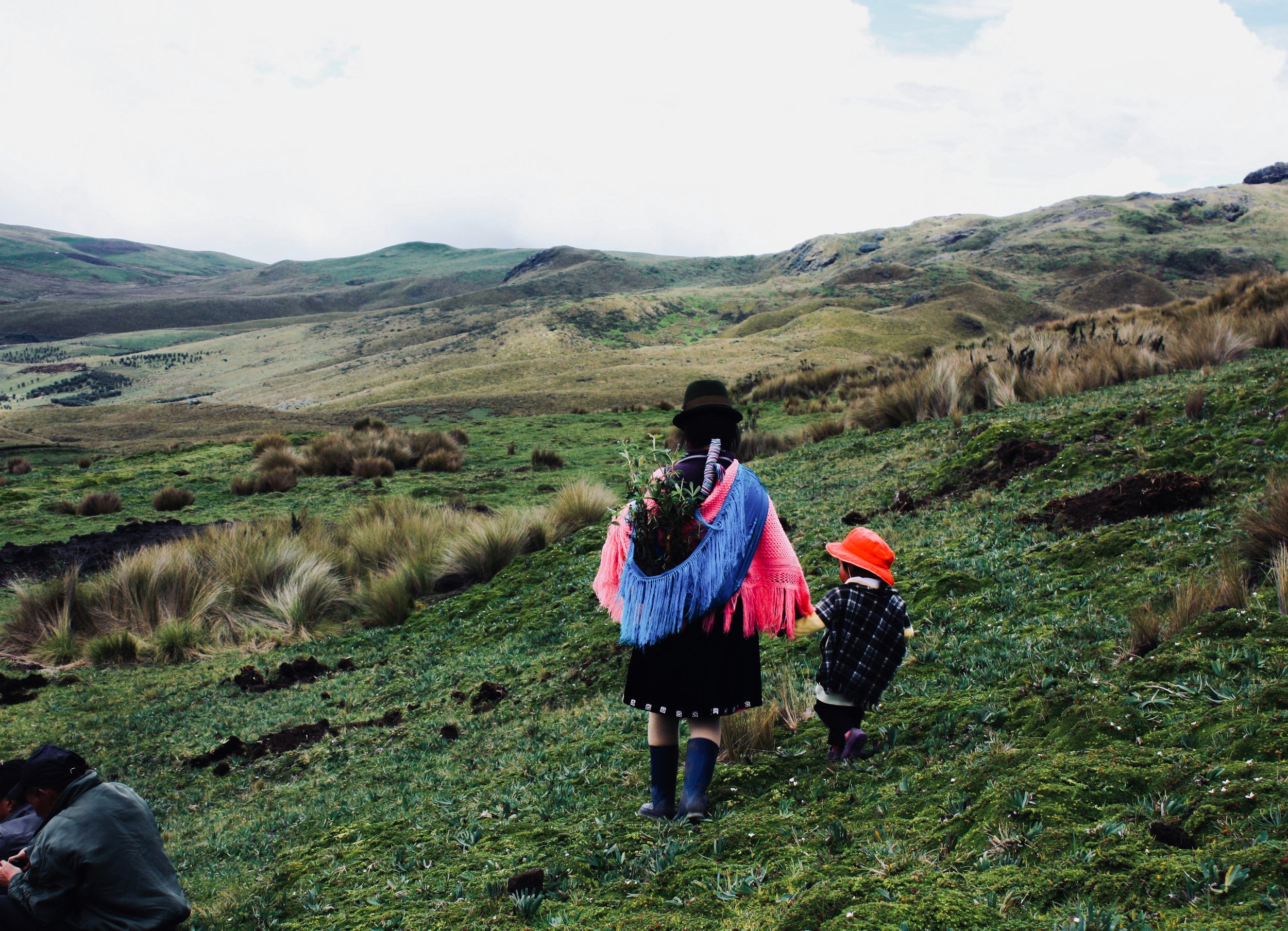
Read MoreAylin Ismayilova. Between 1972 and 1993, the US oil company Texaco released over 30 billion gallons of toxic waste and crude oil into the Amazon rainforest in north-eastern Ecuador, producing severe environmental, health, and social consequences for the native community. The legal struggle documented in "Crude" (2009) foregrounds not only environmental devastation but also the ethical and political narratives…
Read More