From Biodiversity to Biocultural Diversity: Why Conservation Must Centre Culture
Francesca Edralin, MSC environment and development
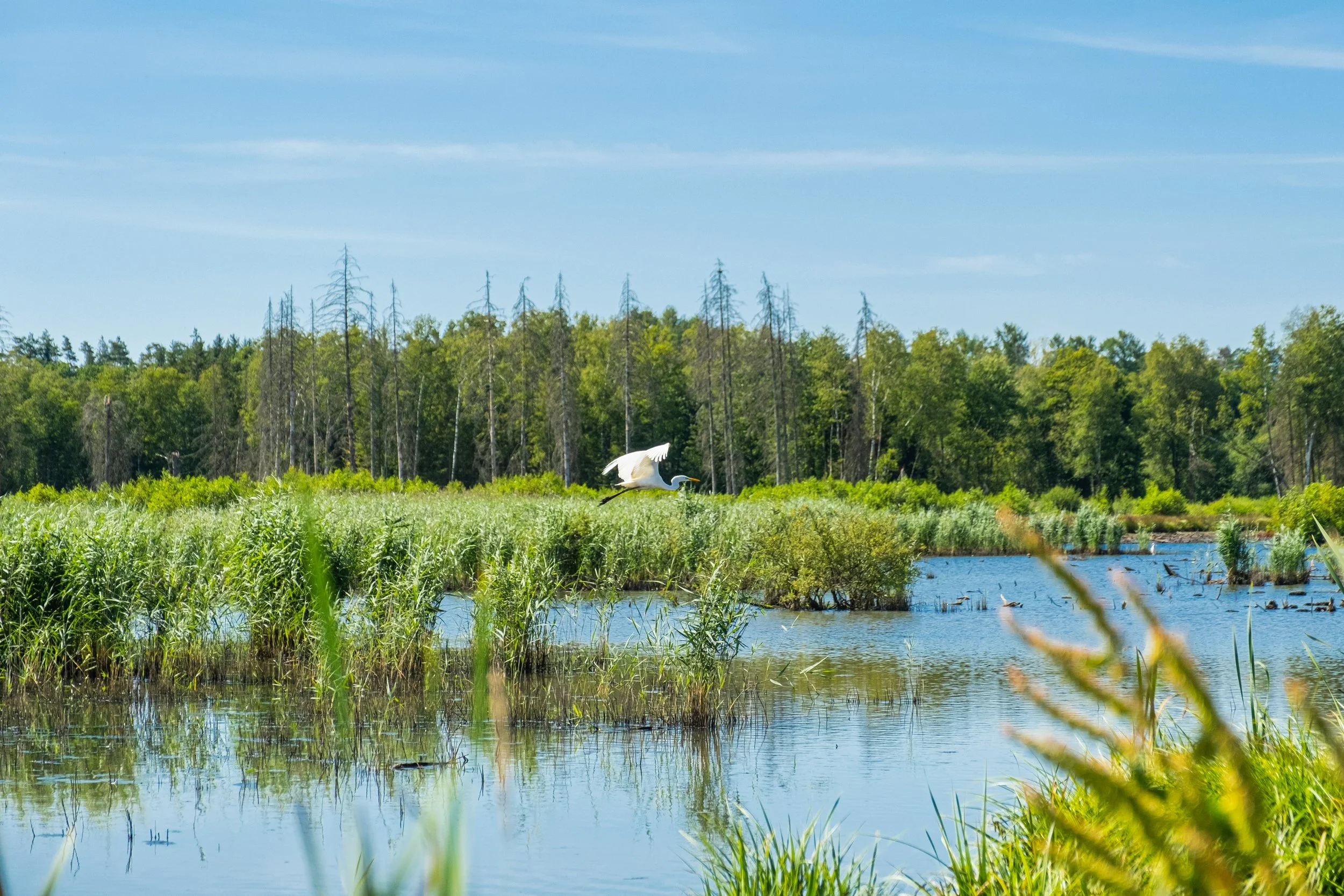
Image: Coralie Meurice
For decades, biodiversity has been the dominant framework through which environmental protection is understood. International agreements, national policies, and conservation projects are most often designed around measurable ecological indicators: species richness, habitat extent, ecosystem integrity, or carbon storage. These metrics play an important role, as they allow policymakers and practitioners to track environmental change and evaluate the success of interventions. Yet, focusing exclusively on biological indicators can obscure a crucial dimension of conservation: culture.
Ecosystems do not exist in isolation from human societies. All over the world, landscapes now targeted for conservation have been shaped through long histories of interaction between local communities and nature. Forests, wetlands, grasslands, and coastal ecosystems are not simply ecological spaces; they are also cultural landscapes shaped by systems of knowledge, belief, and practice that developed over generations. In many cases, the ecosystems conservationists seek to protect today have persisted precisely because communities have maintained cultural relationships with them.
Recognising this relationship has led scholars and practitioners alike to advance the concept of biocultural diversity. Rather than treating biodiversity as separate from human societies, biocultural perspectives emphasize the deep interconnections between biological diversity and cultural diversity (Bridgewater, 2019). Languages, traditions, land-use practices, and ecological knowledge systems all influence how communities interact with their environments. In many parts of the world, areas of high biodiversity also coincide with areas of high linguistic and cultural diversity, suggesting that these forms of diversity have evolved together over time (Maffi, 2005).
Understanding ecosystems through a biocultural lens challenges a persistent assumption in environmental governance: that conservation is primarily a technical problem requiring scientific monitoring and policy interventions (Bridgewater, 2019). While ecological science is indispensable, environmental stewardship has historically depended just as much on cultural systems that guide how communities relate to their surroundings. Centring biocultural diversity, therefore, requires expanding conservation approaches to account for these human–nature relationships. This perspective points to several key ways conservation practice can better integrate cultural and community values.
Recognising cultural landscapes and heritage values
Many environments now considered “natural” have been shaped by human stewardship for centuries. Agricultural terraces, pastoral landscapes, managed forests, and sacred groves often reflect long histories of cultural interaction with ecosystems. For example, the Ifugao Rice Terraces in the Philippines have been cultivated for over 2,000 years through intricate Indigenous irrigation and land management systems that maintain both agricultural productivity and surrounding forest biodiversity (Acabado, 2012). Similarly, traditional satoyama landscapes in Japan represent mosaic ecosystems of forests, rice paddies, and grasslands maintained through community practices such as rotational harvesting and small scale agriculture, which support high levels of biodiversity while sustaining rural livelihoods (Takeuchi et al., 2003). These landscapes carry both ecological and cultural significance, yet conservation strategies have treated them as wilderness areas that must be protected from human influence. In doing so, they risk overlooking the historical role communities have played in maintaining these environments. Recognizing cultural landscapes means acknowledging that biodiversity and heritage are often intertwined. Protecting these places, therefore, involves safeguarding not only species and habitats but also the cultural practices and traditions that sustain them.
Centring Indigenous and local knowledge systems
Traditional ecological knowledge represents another central component of biocultural diversity. Indigenous and local communities around the world possess detailed understandings of ecosystems developed through generations of observation and lived experience. These knowledge systems often include practices that regulate resource use and support ecological resilience, such as seasonal harvesting rules, rotational farming systems, or community-managed forests. Increasingly, research shows that lands managed by Indigenous peoples and local communities maintain high levels of biodiversity and ecological integrity (Garnett et al., 2018). Recognizing and supporting these knowledge systems is therefore not only a matter of cultural respect but also a practical strategy for sustaining ecosystems over the long term.
Designing conservation with communities, not around them
A biocultural perspective also reshapes how conservation initiatives are designed and implemented. Traditional conservation models often position communities as obstacles to environmental protection or as passive beneficiaries of external interventions (West, Igoe & Brockington, 2006). Biocultural approaches instead recognize communities as active stewards whose values, priorities, and governance systems should shape conservation strategies. This means involving communities in decision-making processes, acknowledging customary land management practices, and designing environmental initiatives that align with local cultural values. When conservation projects reflect community priorities and identities, they are far more likely to gain legitimacy and endure beyond the lifespan of a single project or funding cycle (Berkes, 2012; Ostrom, 1990).
Redefining what conservation success looks like
If conservation is to meaningfully incorporate biocultural diversity, it must also rethink how environmental success is measured. Many projects are evaluated primarily through ecological indicators such as species recovery, carbon sequestration, or protected area coverage. While these measures are valuable, they often fail to capture the social and cultural dimensions that sustain long-term stewardship (Chan et al., 2016; Pascual et al., 2017). Cultural relationships with landscapes, community identity, and collective well-being rarely appear in conventional conservation metrics, yet these factors strongly influence whether environmental initiatives succeed. Expanding conservation indicators to include cultural and well-being values—such as the continuity of traditional practices, the strength of community stewardship institutions, or the role of ecosystems in supporting cultural identity—can provide a more complete picture of conservation success. Increasingly, global environmental assessments emphasize the need to recognize diverse values of nature, including cultural and relational values that shape how people understand and care for ecosystems (IPBES, 2019; Pascual et al., 2017).
As environmental challenges intensify globally, conservation strategies that rely solely on technical solutions are unlikely to be sufficient. Ecosystems endure not only because they are protected through policy or regulation, but because communities maintain meaningful relationships with them. Shifting from a narrow biodiversity framework toward one that embraces biocultural diversity, therefore represents more than a conceptual shift. It reflects a recognition that sustaining ecosystems over generations requires supporting cultural knowledge, values, and institutions that have allowed them to flourish in the first place.
Bibliography
Acabado, S. (2012). The Ifugao agricultural landscapes: Agro-cultural complexes and the intensification debate. Journal of Southeast Asian Studies, 43(3), 500–522.
Berkes, F. (2012). Sacred Ecology (3rd ed.). Routledge.
Bridgewater, P., & Rotherham, I. (2019). A critical perspective on the concept of biocultural diversity. Global Ecology and Conservation.
Bridgewater, P., & Upadhaya, S. (2022). What is biocultural diversity, and why does it matter? The Conversation. https://theconversation.com/what-is-biocultural-diversity-and-why-does-it-matter-168881
Chan, K. M. A., Balvanera, P., Benessaiah, K., et al. (2016). Why protect nature? Rethinking values and the environment. Proceedings of the National Academy of Sciences, 113(6), 1462–1465.
Garnett, S. T. et al. (2018). A spatial overview of the global importance of Indigenous lands for conservation. Nature Sustainability.
IPBES (2019). Global Assessment Report on Biodiversity and Ecosystem Services.
Maffi, L. (2005). Linguistic, cultural, and biological diversity. Annual Review of Anthropology.
Ostrom, E. (1990). Governing the Commons: The Evolution of Institutions for Collective Action. Cambridge University Press.
Pascual, U., Balvanera, P., Díaz, S., et al. (2017). Valuing nature’s contributions to people: The IPBES approach. Current Opinion in Environmental Sustainability, 26–27, 7–16.
Pretty, J., et al. (2009). The intersections of biological diversity and cultural diversity. Conservation and Society.
West, P., Igoe, J., & Brockington, D. (2006). Parks and peoples: The social impact of protected areas. Annual Review of Anthropology, 35, 251–277.