Pockmark
Rozalie Benova, MSC Social Anthropology
I
It was the day before yesterday that Adriana first spoke to the trees.
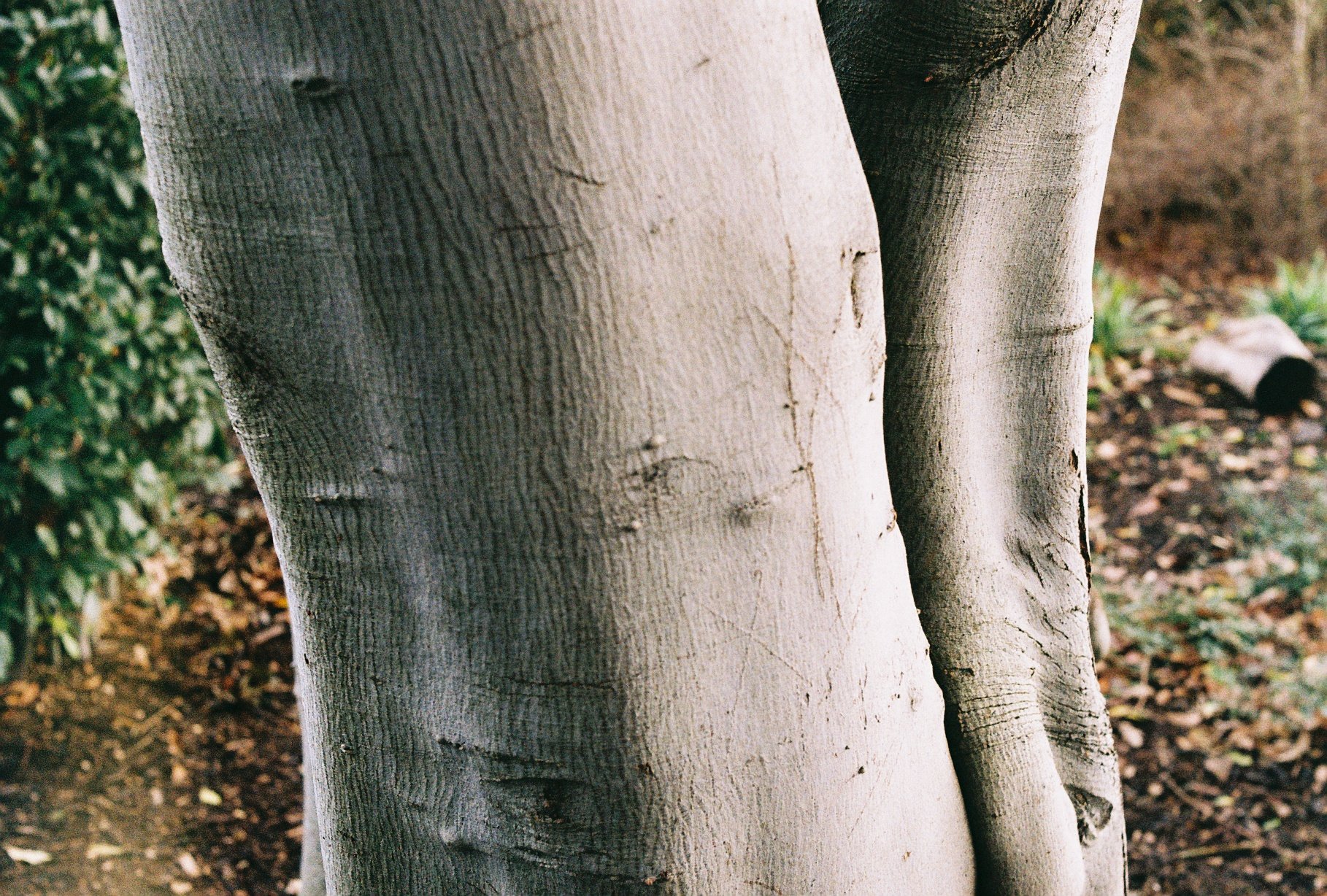
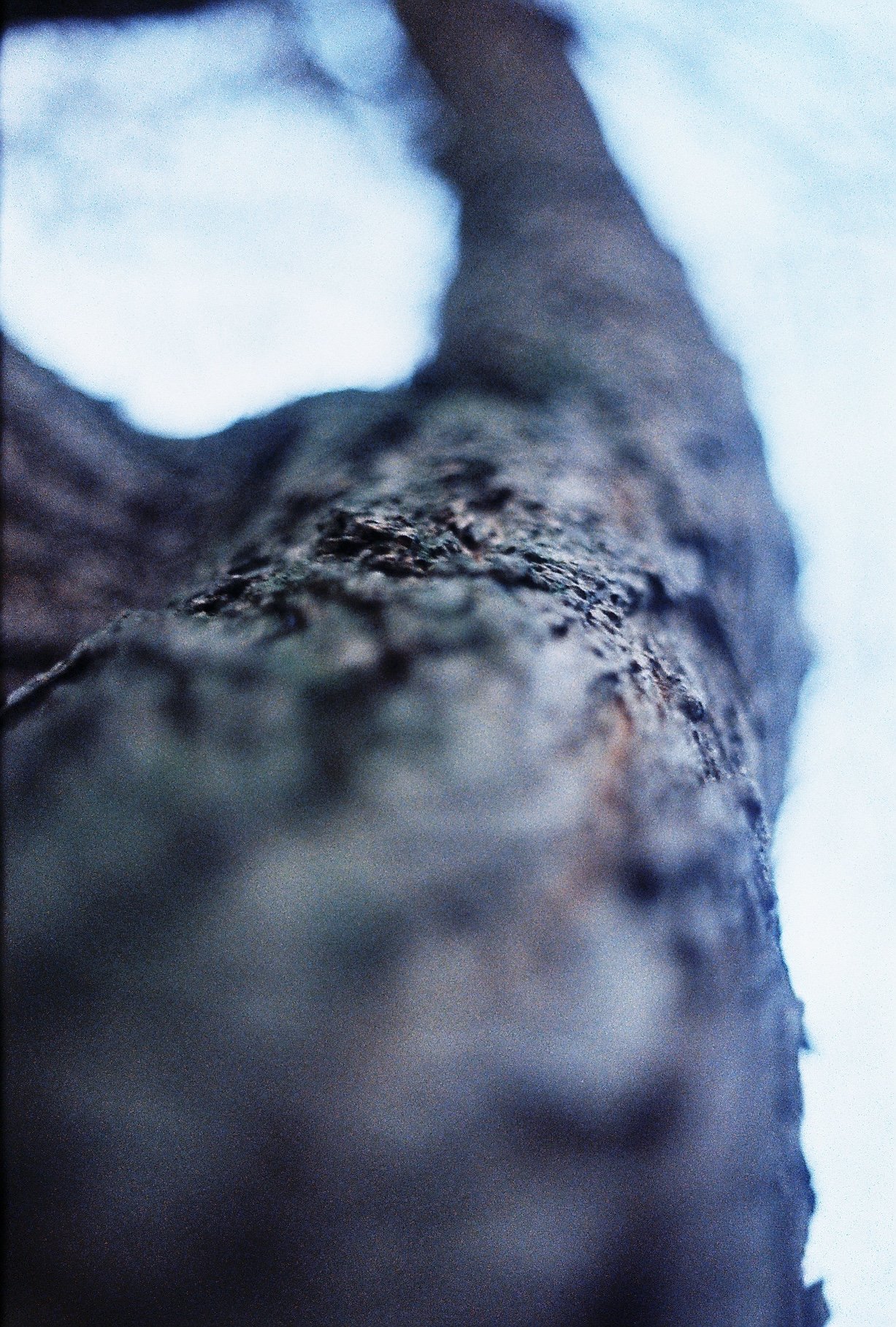
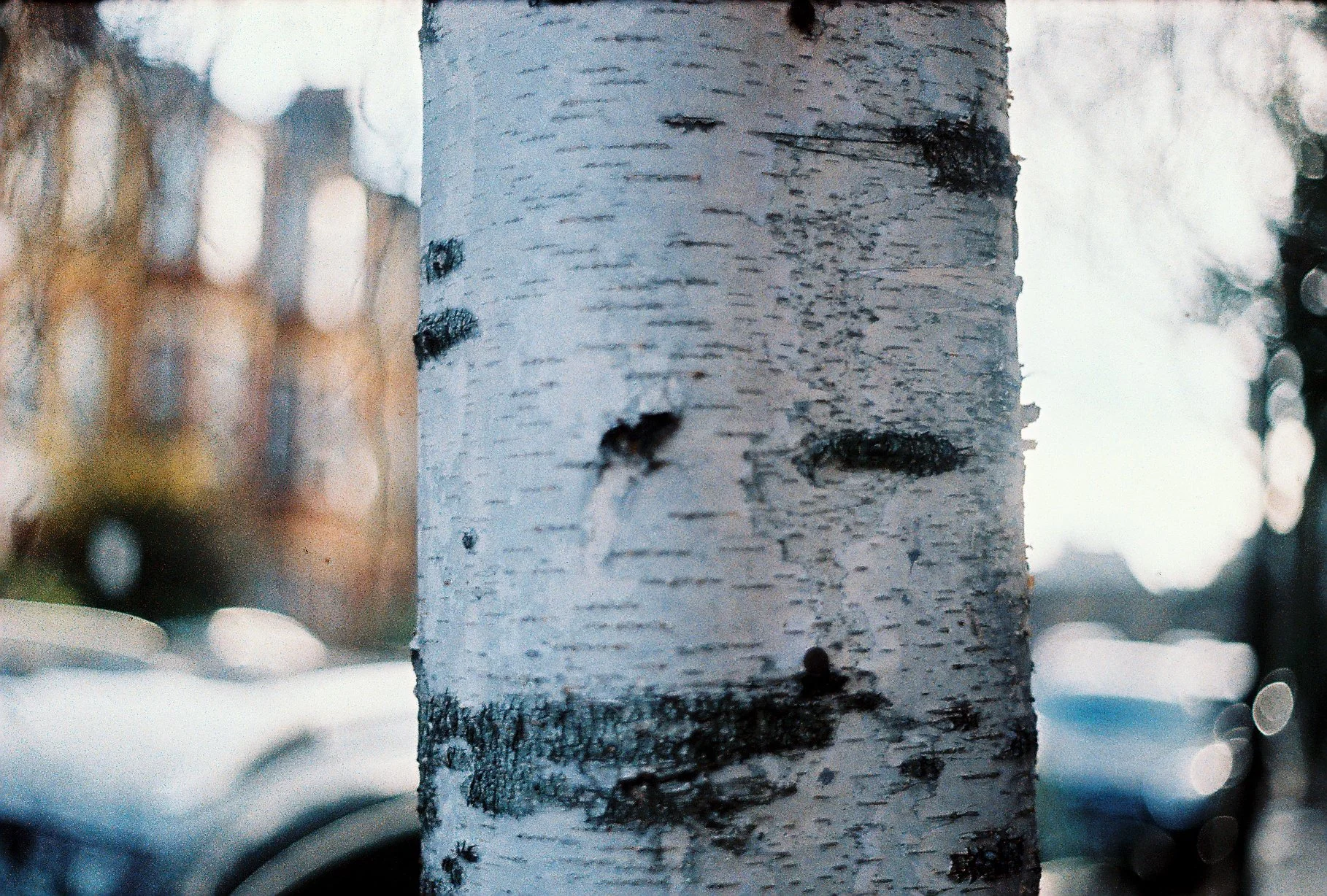
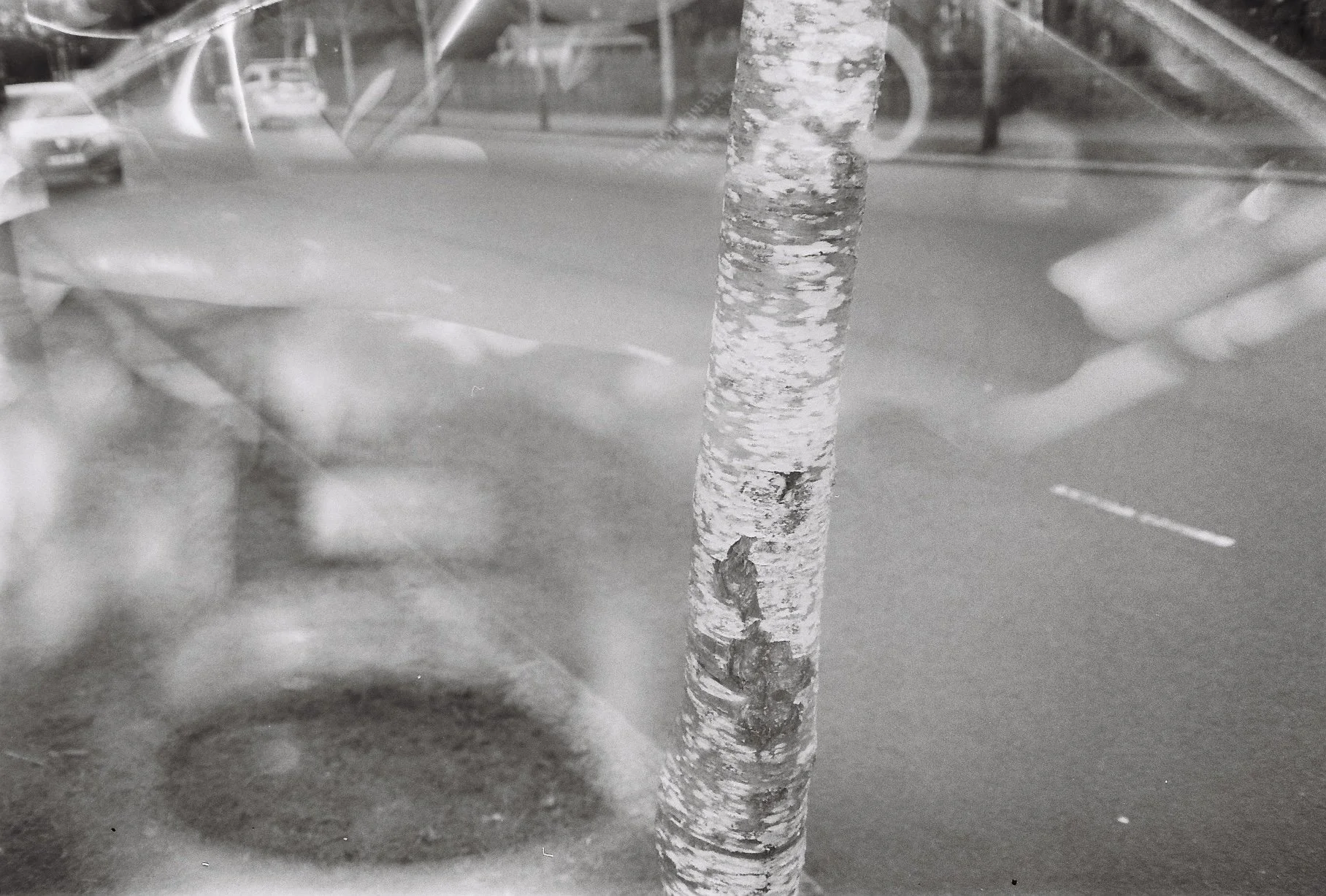
The trees were everywhere and, up until that point, had been everywhere. Century-old oaks, sweet chestnuts, and fragrant lindens. As a child, her favorite tree had been a birch tree. Its bark was exceptionally white, but pierced by pockmarks, signaling time past, time present, and time ahead. She would watch the trees through the windows of the train on outings to visit her grandparents; her head entranced, in motion like a broken record, following one set of trees, followed by another, by another, and another.
She wondered what the trees of her childhood looked like now: what had they seen? What had they endured? Hostile winters overcome and dry summers outlasted. In the time she had taken to grow up, transforming from child to woman, and in the time her body had taken to undergo these changes, the trees stood in the same spot, posing as undisturbed posts of time.
She wondered if the trees would recognize her gaze, once innocent and trusting, now sapped of the liveliness that long ago, to others, made her seem bewitching, even as a young child.
She wondered if the trees were now entering new phases of their lifespans, as she was. Adriana recalled the average life-span of a birch tree, which was forty to ninety years. This made her think about her own lifespan. But it felt distant and she felt the world at her fingertips. Maybe the trees did, too.
She wondered if, among the trees, her child self could still be found.
II
The day before yesterday was a Monday. That morning, Adriana’s body, though taut, was far away from her. She let out a sign of exasperation. Yes, she could feel through her body – her pillow was still silken, her hardwood floors still cold on her toes – but not her body itself. What she was supposed to be in control of was distant, recognizable as though an old friend, one greeted with a degree of curious detachment, maybe even amusement. For Adriana, her body was an afterthought. How strange, she thought to herself, that I think of my body as though it were not mine, through the third-person, as though it didn’t make up the entirety of me.
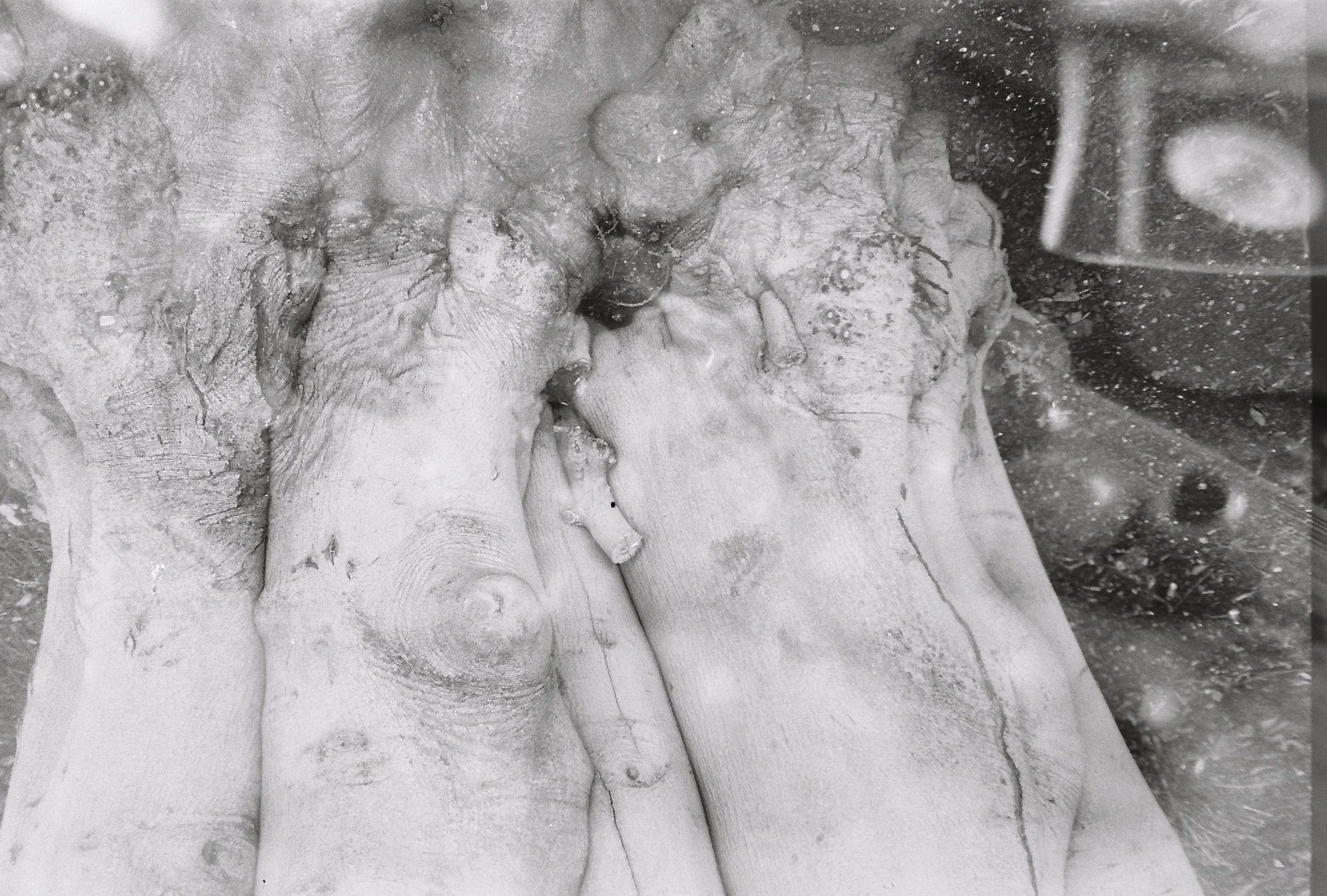
Like the birch tree, she was also pierced by pockmarks. There was a lot to say about what she had put her body through, what her body had put her through, and all that fell in between the two. She couldn’t understand this divide, this accompanying sense of blame and forgiveness, as if they were not one and the same. She wished she could meld the two. Maybe this would make my skin less taut, she said to herself.
When she looked at images of herself as a child, it was difficult to grasp the sameness between the figure in the picture and herself now. Smiling and waving then, just as she does now. The same fingers, the same hands, even the same smile – a smile that, when present, enveloped her whole face, her eyes pinched shut, her teeth bared, and lauded by many as pure, wholesome, unaffected. Because of this, sometimes she smiled, even when she didn’t feel like smiling. Her impurity masqueraded through purity. How confusing, she thought.
All the same, the versions of Adriana that had once existed would, at some time or another, gingerly reveal themselves. They continued to exist in the lives of the objects around her: in her pillow adorned with seahorses; in her copy of Solaris; in her battered Yashica T5. The foods she ate now, she ate as a child. She couldn’t decide whether this all amounted to a deceptive sense of safety, or if this would be the only safety she would ever come to know.
A past version of herself existed in her knees. The sight of them reminded her of her grandmother, who would draw circles with her fingers around Adriana’s kneecaps on their way to get ice cream. The bus ride would be bumpy, the air humid and sticky, but Adriana didn’t mind. She let herself be blinded by the sun.
At the end of their journey, soft-serve ice cream – a mix of vanilla and strawberry – would be waiting for them. Her grandmother would hand Adriana the coins for the ice-cream and the elated four-year-old would stand on her toes, outstretch her hand with pennies in palm, and turn back to face her grandmother, grinning, now holding two garishly-colored cones.
So, her knees would make her sad. But a lot of things made her sad.
III
And it was with her taut skin that she decided to go for a walk. She imagined her body stretching out into the landscape, receding, waning, dissolving, retreating. She would shed what made her now and she would proceed formless.
A walk represented many things for Adriana. It meant control; it meant surrendering; it also meant remembering.
She thought of the times her body would resist the distance, the length, the extremity, and how she would look the other way, able to do so.
She thought of how a walk meant that her body was doing only that, her body surrendering to the movement, her whole being defined by that singular action.
She thought of the times she would purposefully walk behind her parents as a child, a signal to others that she wasn’t chaperoned by them but able to stand on her own two feet, uninhibited and unfettered.
IV
Adriana was now thinking about who she laughed with. There were people in her life who gave her the space to do so uninhibitedly. Then there were others who expected her to laugh. It was with these people that she did not, in fact, want to laugh. To laugh meant to suffocate, for better or worse. She laughed when embarrassed – to cover it. She laughed when proud of herself – to cover it. She laughed when reading a sentence in a book written as if wrested out of her very own mind. It was in those moments she was drawn back to reality, realizing she was not remarkable in the slightest.
And, interestingly enough, one day, she began to laugh with the trees.
V
There are so many things to be said, things to be remembered, things rather forgotten, but always lamented over. So many things to be said, that it is better to say nothing at all. So, Adriana cupped her hands and approached the hollow in the tree. Trailing behind her, she felt the weight of those who had walked in her exact footsteps, only thousands of years ago. In a way she could not explain, she felt their confusion, their suffocation, their love, their pain, their life. She understood exactly what it was that brought them there, to the point of complete surrender.
She began to whisper into the tree. She whispered all that she found inexpressible, all that she found ineffable. She soon said to herself: I feel lighter, and so the tree feels heavier. It absorbs what I have given it. What I allow it to see. Except, maybe, it even understands a part of me that I wish to keep to myself. At this, she laughed a bit.
VI
Now, sat next to Adriana is a woman whose presence she cannot fend off. She is middle-aged, beset with heaps of jewelry, donning her ears, neck, and wrists. It feels provocative, but the woman doesn’t look like the provocative type. She drinks down her coffee with some water and plays with her bangle incessantly, which over time reveals itself to be a tick, one she is probably not aware of, although visible to everyone. Adriana thinks to herself: she has been playing with her bangle for years, but she doesn’t know it. The bangle must know.
Before she gets up to leave, the woman blows her nose with a tissue and folds the tissue into her sleeve, saving it for later. Adriana watches her in awe, as her movements are so habitual, but simultaneously choreographed. How come she moves like this, and I don’t? Adriana questions. How is it that the way a person moves can be captivating? Who teaches us how to move?
Sometimes, Adriana wished she would stop moving.
When the woman leaves, the waiter clears up the table, pouring the leftover water into the flower pot laying on the table’s edge. Adriana muses over this: I feel like an audience member of a play, everyone assured in their roles, myself devoid of any. My job is to watch and feel, and this is what I do best.