Our Reading List
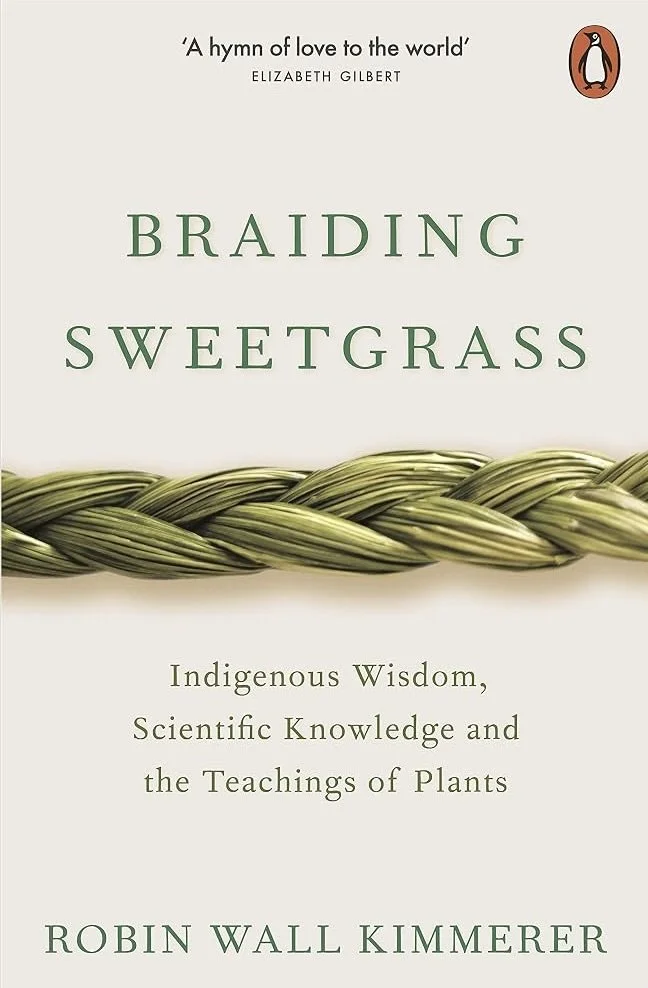
Braiding Sweetgrass by Robin Wall Kimmerer
Drawing on her life as an indigenous scientist, a mother, and a woman, Kimmerer shows how other living beings offer us gifts and lessons, even if we've forgotten how to hear their voices. She argues that the awakening of a wider ecological consciousness requires the acknowledgment and celebration of our reciprocal relationship with the rest of the living world.
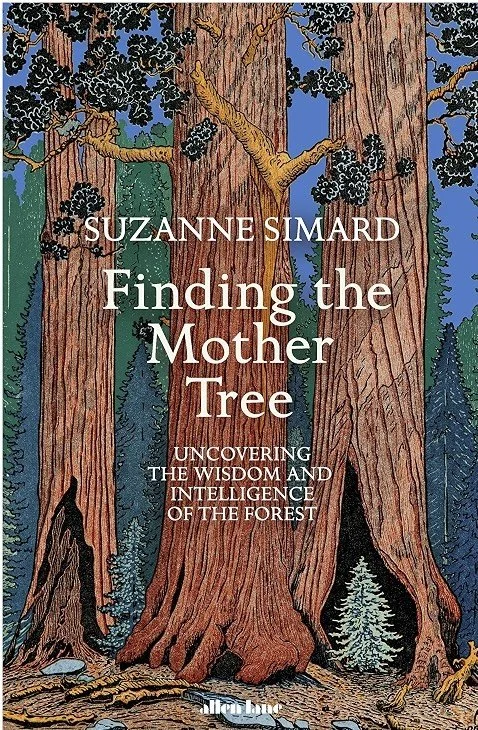
Finding the Mother Tree by Suzanne Simard
Finding the Mother Tree is the story of a lifetime spent uncovering startling truths about trees: their perceptions, behaviours, healing capacities, language, memory and wisdom. Simard's landmark work has been immensely influential, revealing the complex cycle of forest life - on which we rely for our existence - and offering profound lessons about resilience and kinship.
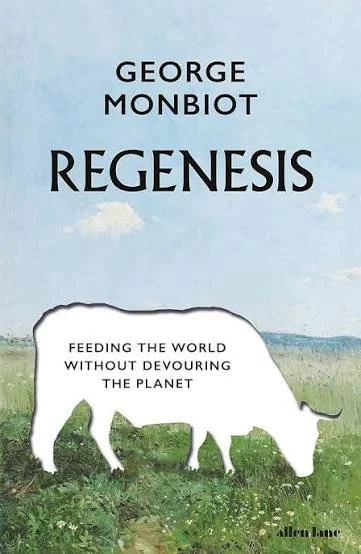
Regenesis by George Monbiot
Regenesis is a vision of a new future for food and for humanity. Drawing on advances in soil ecology, Monbiot reveals how our changing understanding of the world beneath our feet could allow us to grow more food with less farming. They show how the tiniest life forms could help us make peace with the planet, restore its living systems, and replace the age of extinction with an age of regenesis.
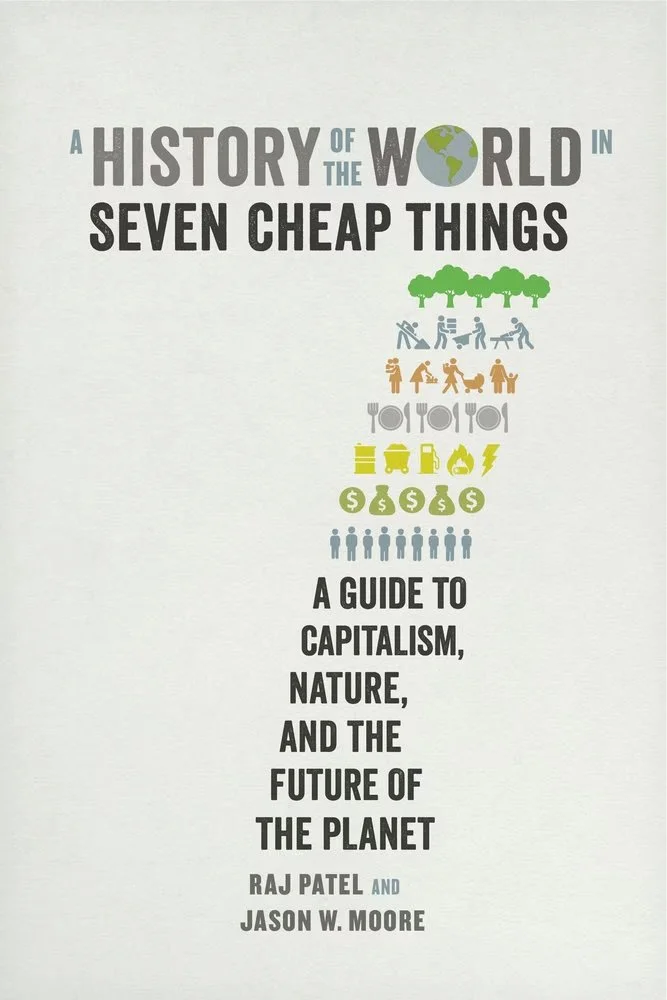
A History of the World in Seven Cheap Things by Raj Patel and Jason W. Moore
Bringing the latest ecological research together with histories of colonialism, indigenous struggles, slave revolts, and other rebellions and uprisings, this book demonstrate that throughout history, crises have always prompted fresh strategies to make the world cheap and safe for capitalism.
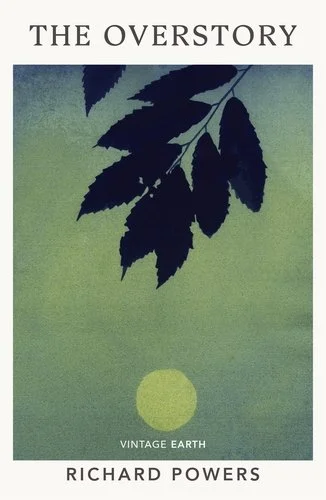
The Overstory by Richard Powers
An artist inherits a hundred years of photographic portraits, all of the same doomed American chestnut. This is the story of strangers, each summoned in different ways by the natural world, who are brought together in a last stand to save it from catastrophe.
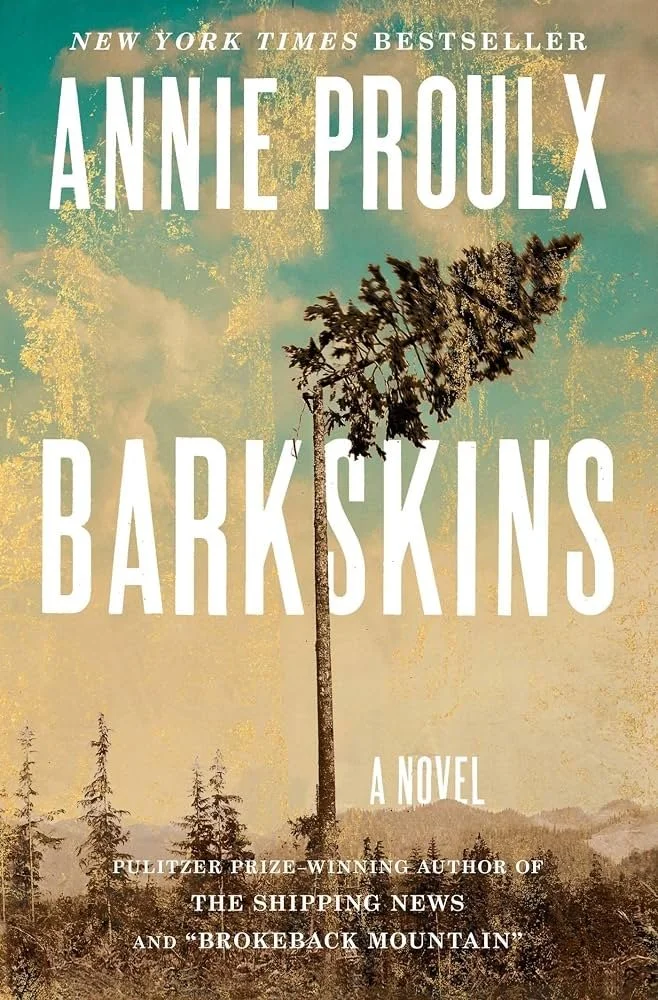
Barkskins by Annie Proulx
This is the story of the descendants of Sel and Duquet over three hundred years--their travels across the world--the revenge of rivals, accidents, pestilence, Indian attacks, and cultural annihilation. Over and over, they seize what they can of a presumed infinite resource, leaving the modern-day characters face to face with possible ecological collapse and the consequences of environmental exploitation and colonialism.
This reading list has gathered recommendations from our team members.